Learn why your cactus is soft and mushy, including overwatering, root rot, poor drainage, cold damage, and simple steps to save your cactus.
Why Is My Cactus Soft and Mushy?
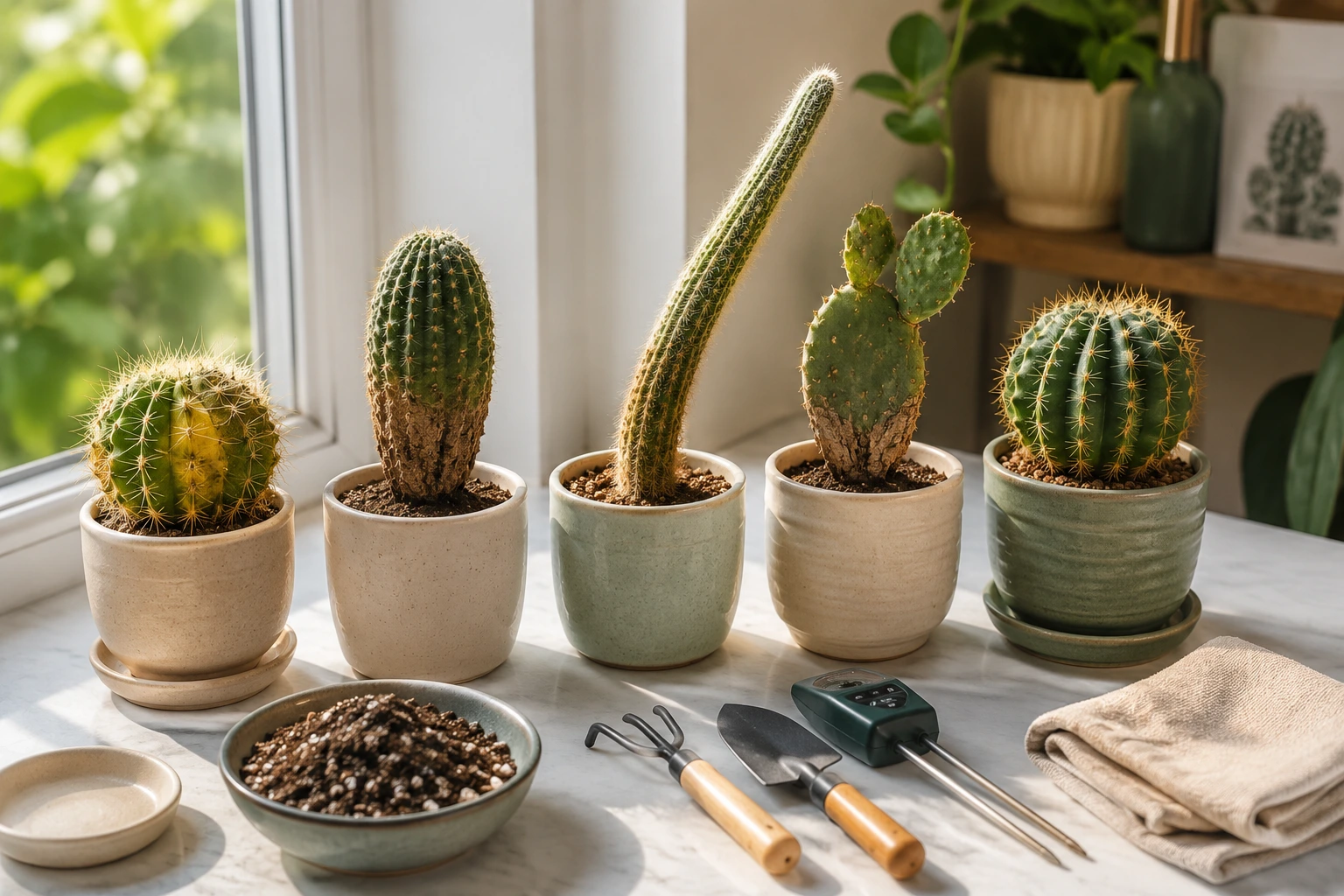
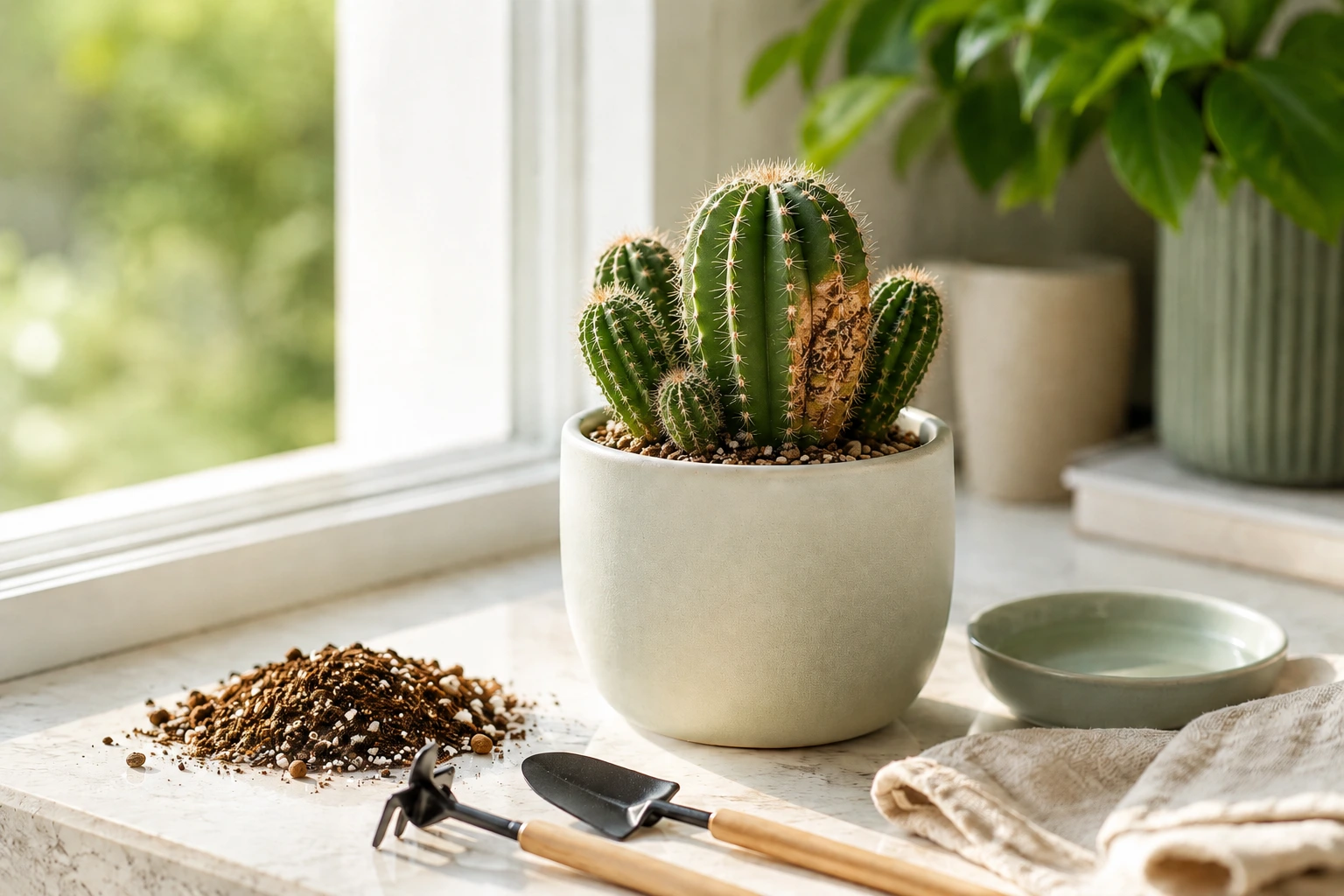
A soft and mushy cactus is usually a warning sign that something is wrong. Healthy cactus plants should feel firm, strong, and stable. If your cactus feels soft, squishy, or watery, the problem is often related to too much moisture, damaged roots, or rot.
The good news is that you may be able to save your cactus if you act quickly. In this guide, you will learn why a cactus becomes soft and mushy, how to identify the cause, and what steps to take before the damage spreads.
Quick answer: A cactus usually becomes soft and mushy because of overwatering, root rot, poor drainage, cold damage, or fungal problems.
1. Overwatering
Overwatering is the most common reason a cactus becomes soft and mushy. Cactus plants are designed to store water inside their stems. They do not need frequent watering like many leafy houseplants.
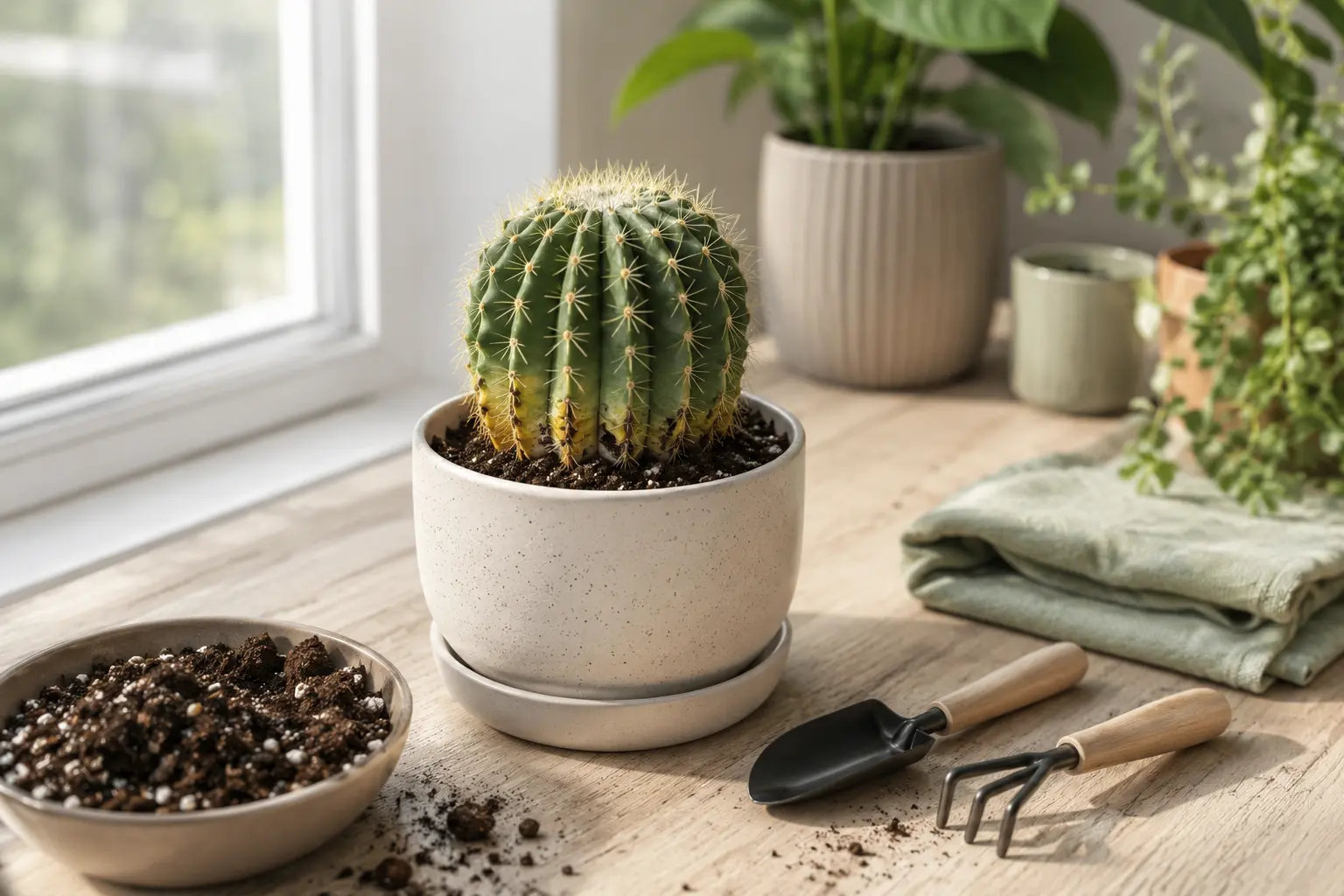
When a cactus receives too much water, the roots stay wet for too long. This can damage the root system and cause the cactus body to become swollen, soft, yellow, or mushy. If the cactus feels watery when touched, overwatering is likely the main problem.
2. Root Rot
Root rot happens when cactus roots sit in wet soil for too long. Once the roots begin to rot, they cannot absorb water and nutrients correctly. The cactus may start turning yellow, brown, black, soft, or mushy.
A cactus with root rot may also have a bad smell coming from the soil. If the base of the cactus is soft or dark, the rot may have already moved from the roots into the body of the plant.
3. Poor Drainage
Poor drainage can make a cactus soft even if you do not water very often. If the pot has no drainage holes, extra water stays trapped at the bottom. This keeps the soil wet and creates a dangerous environment for cactus roots.
Heavy soil can also cause drainage problems. Regular garden soil or dense potting soil may hold too much water, which can slowly damage the cactus.
4. Cold Damage
Cold temperatures can also make a cactus soft and mushy. Many cactus plants prefer warm, stable conditions. If your cactus is placed near a cold window, cold draft, or freezing area, the plant tissue can become damaged.
Cold-damaged cactus tissue may look dark, watery, soft, or collapsed. This can happen especially during winter when cactus plants are placed too close to cold glass.
5. Fungal or Bacterial Rot
Fungal or bacterial rot can develop when a cactus stays too wet, has damaged tissue, or sits in poor airflow. Rotten areas may appear as soft dark spots, black patches, or mushy sections.
Rot can spread quickly, so it is important to act fast. If only one part of the cactus is affected, you may be able to cut away the damaged area and save the healthy part.
How to Check If Your Cactus Can Be Saved
First, gently touch the cactus. If only a small area is soft, the plant may still be saved. If the whole cactus is mushy, black, watery, or collapsing, the damage may be too advanced.
Next, check the base of the cactus and the soil. If the soil is wet, smells bad, or the base feels soft, you should remove the cactus from the pot and inspect the roots.
Step 1: Stop Watering Immediately
If your cactus is soft and mushy, stop watering immediately. Adding more water will only make the problem worse. Let the soil dry and keep the cactus in a bright, dry place with good airflow.
Do not fertilize the cactus while it is stressed. Fertilizer will not fix rot or soft tissue. The first goal is to remove excess moisture and stop the damage from spreading.
Step 2: Remove the Cactus from the Pot
Wear thick gloves or use folded paper to protect your hands from spines. Carefully remove the cactus from the pot and shake away the old wet soil. Try not to damage healthy roots.
If the soil is very wet, heavy, or smells bad, do not reuse it. Old wet soil may contain bacteria or fungus that can continue harming the plant.
Step 3: Inspect the Roots
Healthy cactus roots are usually firm and light-colored. Rotten roots are often brown, black, soft, slimy, or smelly. If you see rotten roots, cut them away using clean scissors or a clean knife.
After removing damaged roots, let the cactus dry in a shaded, airy place for a few days before repotting. This helps cut areas heal and reduces the chance of more rot.
Step 4: Cut Away Mushy Parts
If part of the cactus body is mushy, you may need to remove the rotten section. Use a clean sharp knife and cut until you reach firm, healthy tissue. Any soft, dark, or watery part should be removed.
If the base is rotten but the top is still firm, you may be able to save the healthy top as a cutting. Let the cut end dry and callus before planting it in dry cactus soil.
Step 5: Repot in Fresh Dry Cactus Soil
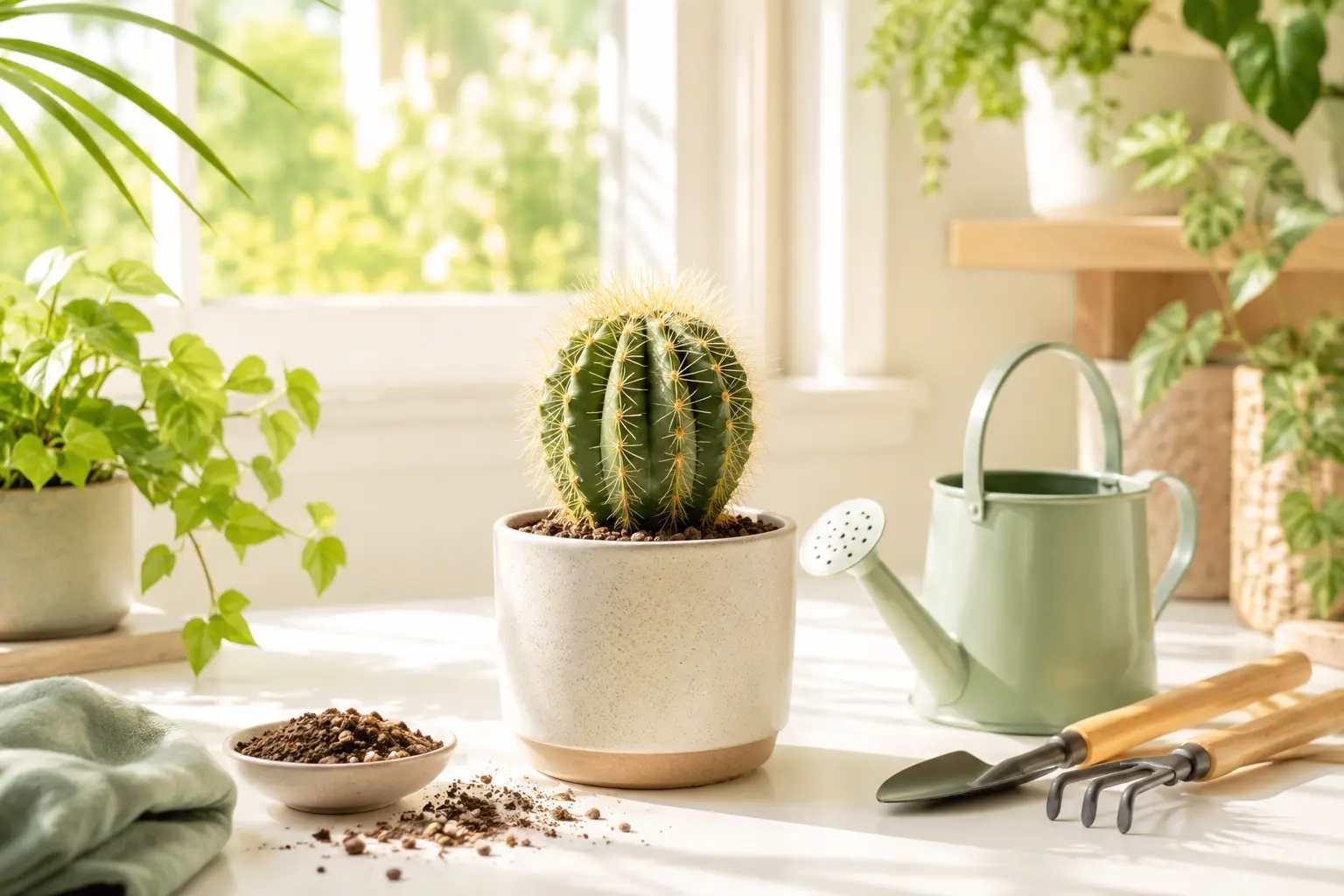
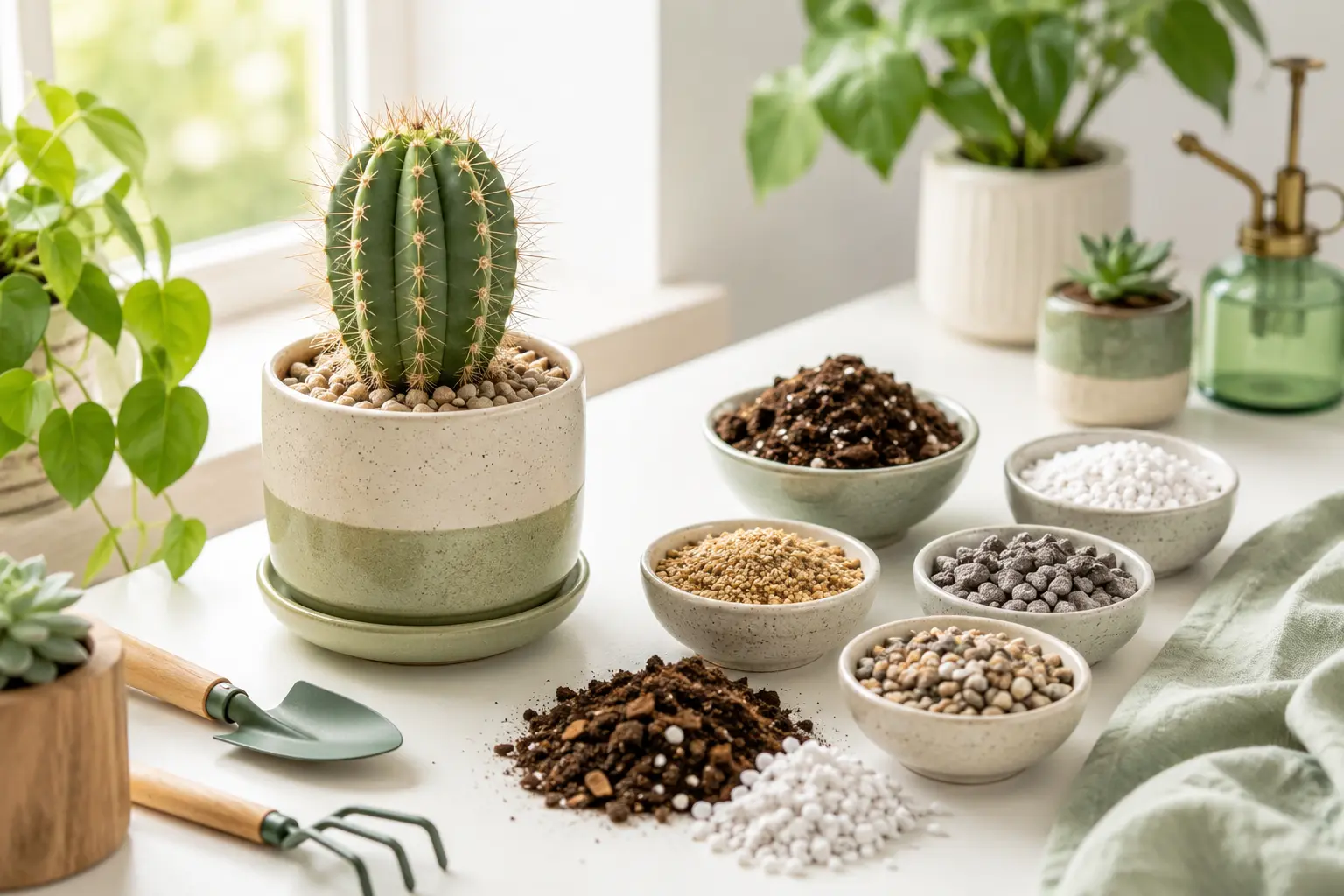
Once the cactus has dried, repot it in fresh cactus soil. The soil should be fast-draining and dry. A good cactus mix may include potting soil, perlite, pumice, coarse sand, or small gravel.
Use a pot with drainage holes. Drainage holes allow extra water to leave the pot and help protect the roots from staying wet.
Step 6: Wait Before Watering Again
After repotting a soft or mushy cactus, do not water immediately. Wait several days before watering. This gives the roots and cut areas time to heal.
When you water again, water carefully and only when the soil is completely dry. It is better to keep a recovering cactus slightly dry than too wet.
How to Prevent a Cactus from Becoming Soft Again
- Water only when the soil is completely dry.
- Use fast-draining cactus soil.
- Choose a pot with drainage holes.
- Avoid leaving water in the saucer.
- Keep cactus plants in bright natural light.
- Reduce watering during winter.
- Protect cactus plants from cold drafts and freezing windows.
When Is It Too Late to Save a Mushy Cactus?
It may be too late to save the cactus if the entire plant is soft, black, watery, and collapsing. A strong bad smell is also a sign that rot is advanced. In this case, the roots and main body may already be badly damaged.
However, if there is still a firm healthy section, you can try to cut it and propagate it. Even when the original plant cannot be saved, a healthy cutting may grow into a new cactus.
Final Thoughts
A cactus becomes soft and mushy most often because of overwatering, root rot, poor drainage, cold damage, or fungal problems. The sooner you notice the issue, the better chance your cactus has to recover.
Stop watering, check the roots, remove rotten parts, let the cactus dry, and repot it in fresh fast-draining soil. With careful action and better watering habits, you can prevent this problem from happening again and keep your cactus healthy indoors.