Learn the best soil mix for cactus plants, why drainage is important, what ingredients to use, and how to make a simple cactus soil mix at home.
Best Soil Mix for Cactus Plants
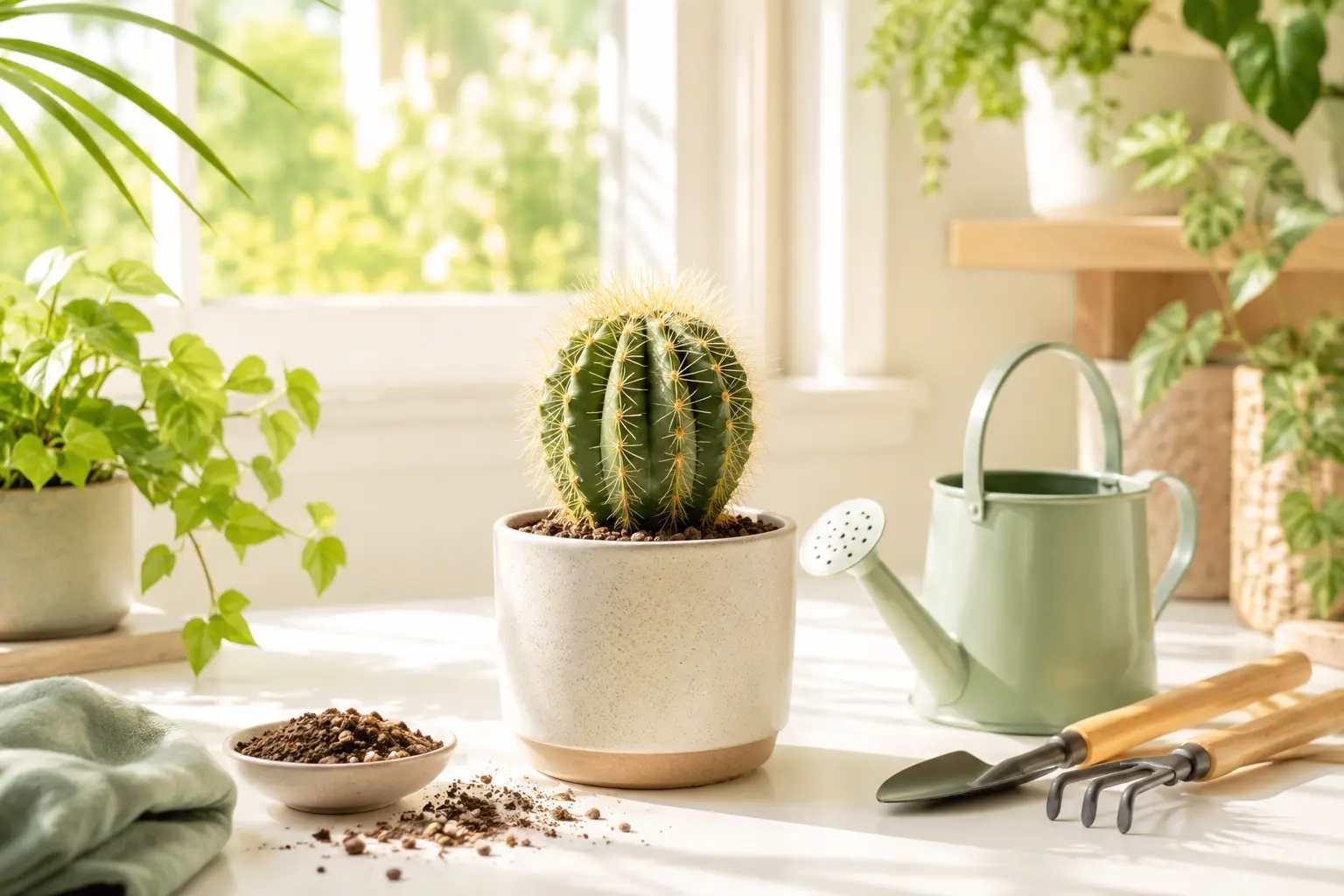
Choosing the best soil mix for cactus plants is one of the most important parts of cactus care. Cactus plants are strong and low-maintenance, but they do not grow well in soil that stays wet for too long. The right soil helps protect the roots, prevent rot, and keep your cactus healthy indoors.
Many cactus problems start from the soil. If the soil is too heavy, too compact, or holds too much water, the roots can become weak and damaged. A good cactus soil mix should drain quickly, allow air to reach the roots, and dry faster than normal houseplant soil.
Why Cactus Plants Need Special Soil
Cactus plants naturally grow in dry environments where water does not stay around the roots for a long time. Because of this, they need soil that behaves differently from normal garden soil. Regular potting soil often holds too much moisture, which can be dangerous for cactus roots.
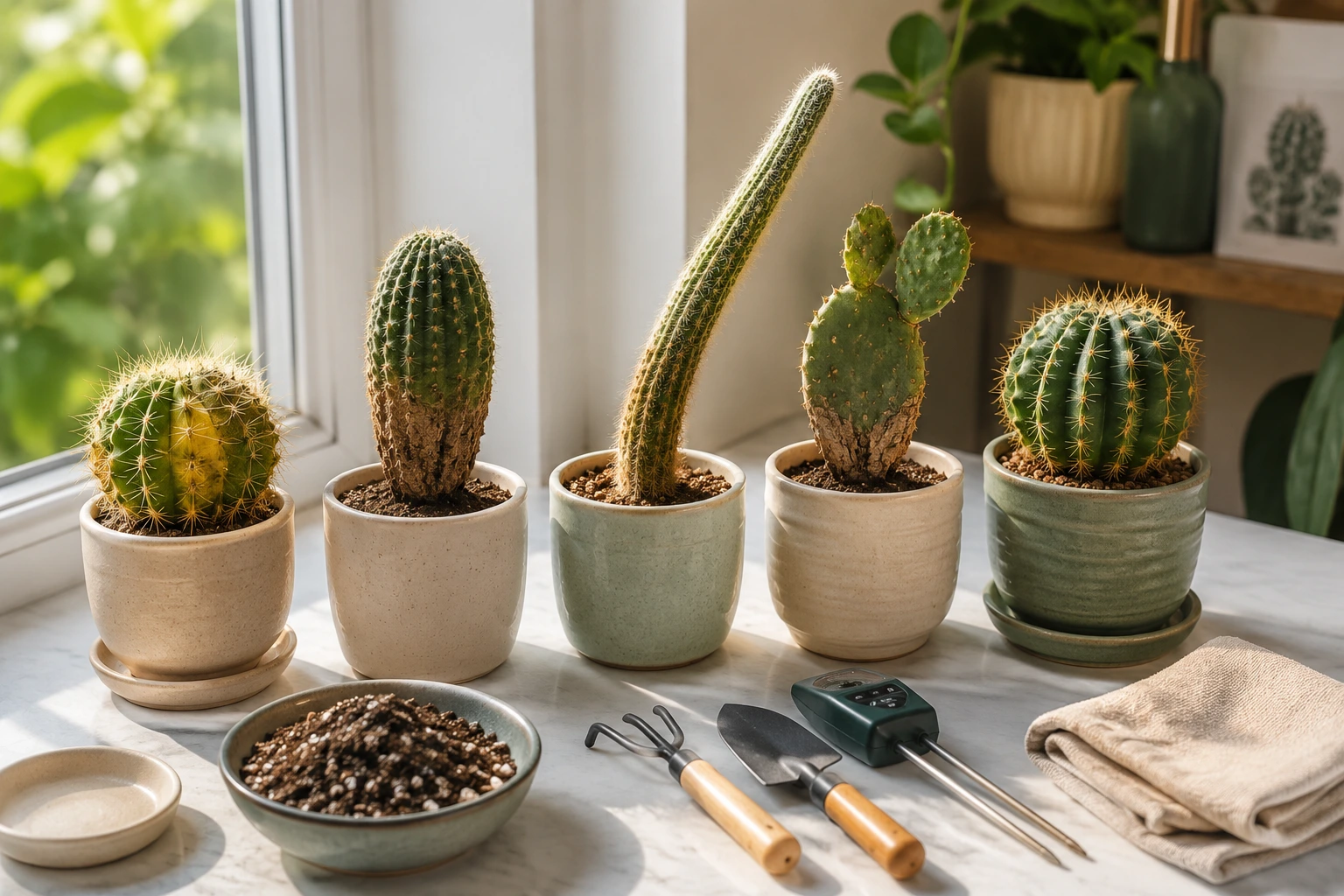
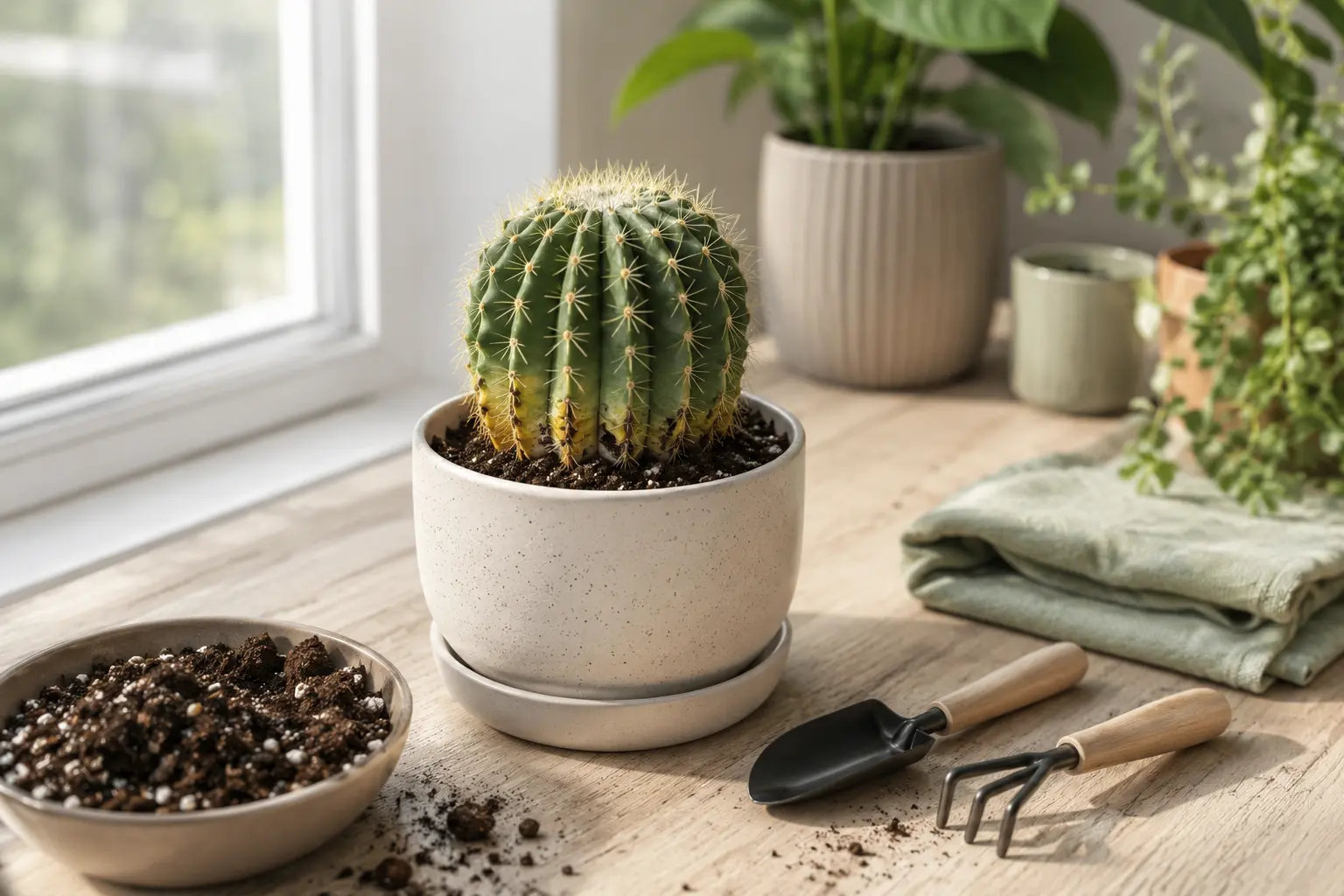
When cactus roots stay wet for too long, they can begin to rot. This may cause the cactus to turn yellow, become soft, or stop growing. Using the right soil mix is a simple way to avoid many common cactus problems.
What Makes a Good Cactus Soil Mix?
A good cactus soil mix should be light, airy, and fast-draining. It should not stay wet for many days after watering. Instead, water should pass through the soil easily and leave the pot through the drainage holes.
The best cactus soil usually contains a mix of organic material and mineral material. Organic material gives the plant some nutrients, while mineral material improves drainage and airflow.
Best Ingredients for Cactus Soil
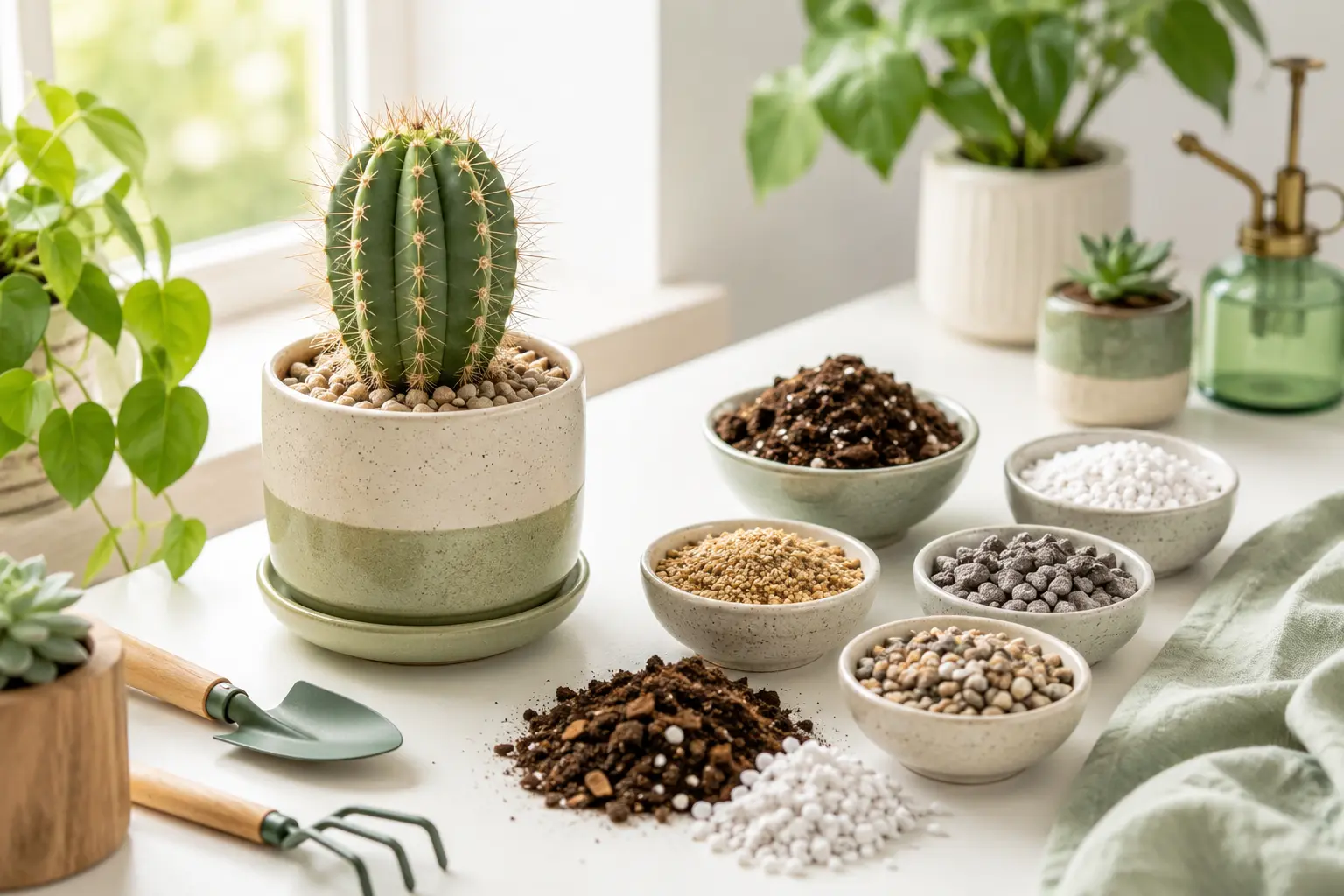
There are several ingredients that can help create a healthy cactus soil mix. You do not need to use all of them, but adding some drainage materials can make a big difference.
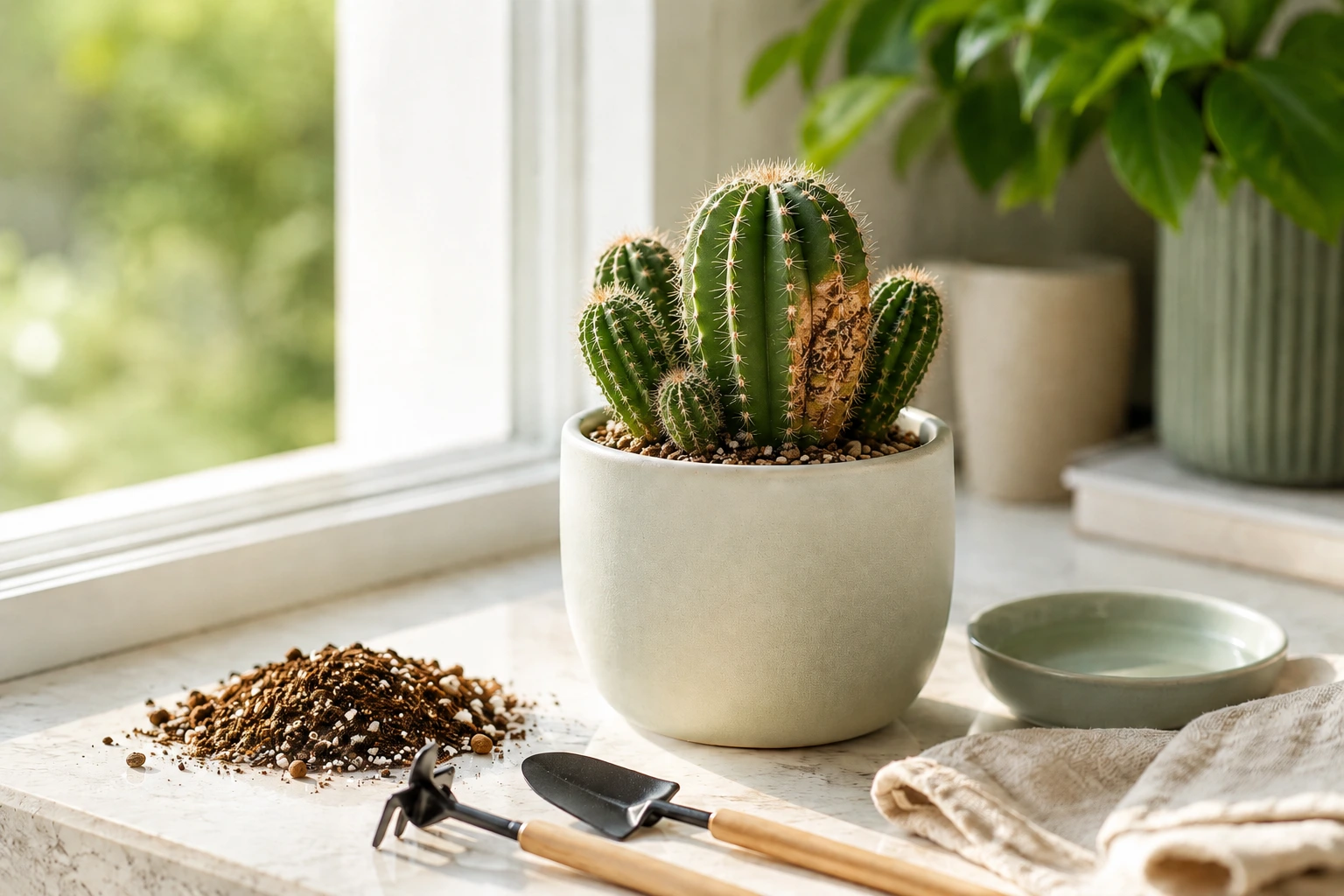
- Potting soil: Gives the cactus basic nutrients and holds a small amount of moisture.
- Perlite: Helps the soil stay light and improves drainage.
- Pumice: Allows air to reach the roots and helps prevent compact soil.
- Coarse sand: Helps water move through the soil more quickly.
- Small gravel: Improves drainage and gives the mix a rocky texture.
Simple Homemade Cactus Soil Mix
You can make a simple cactus soil mix at home using easy ingredients. A beginner-friendly mix is:
1 part potting soil + 1 part perlite + 1 part coarse sand or pumice
This mix drains better than regular potting soil and gives cactus roots more air. If your home is humid or your cactus pot dries slowly, you can add more perlite or pumice to make the mix even faster-draining.
Can You Use Regular Potting Soil for Cactus?
Regular potting soil alone is usually not the best choice for cactus plants. It can hold too much water and may stay wet around the roots for a long time. This increases the risk of root rot, especially if the pot has poor drainage.
If you only have regular potting soil, you can improve it by mixing it with perlite, pumice, coarse sand, or small gravel. This makes the soil lighter and safer for cactus plants.
How to Know If Your Soil Drains Well
After watering your cactus, watch how quickly the water moves through the pot. If water drains from the bottom within a short time, the soil is likely draining well. If the water stays on top or the soil remains wet for many days, the mix may be too heavy.
You can also check the soil with your finger. A good cactus soil mix should dry out between waterings. If it still feels wet after several days, you may need to change the soil or use a pot with better drainage.
The Importance of Drainage Holes
Even the best cactus soil mix cannot work well if the pot has no drainage holes. Drainage holes allow extra water to escape after watering. Without them, water stays trapped at the bottom of the pot and can damage the roots.
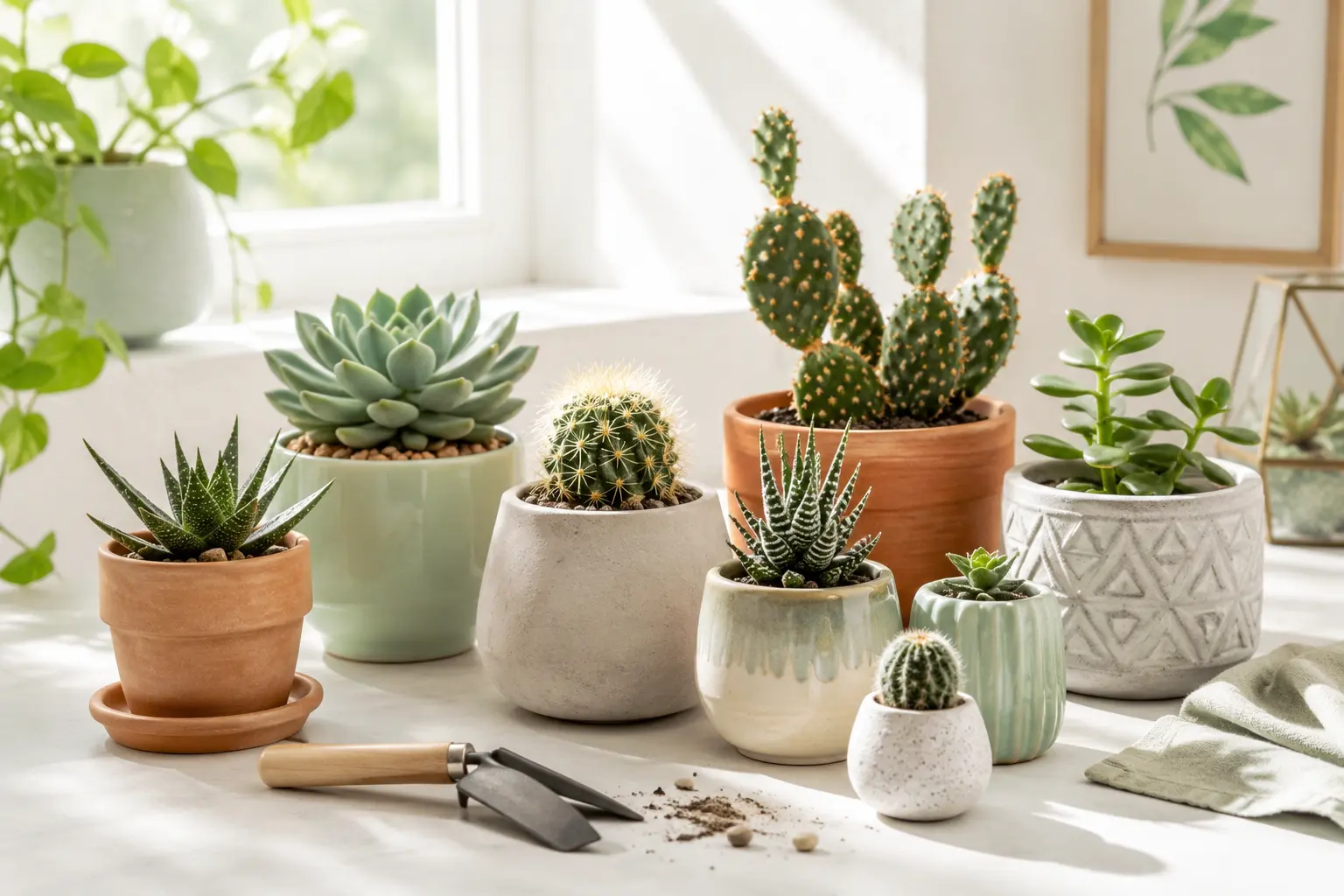
Always choose a pot with at least one drainage hole. Terracotta pots are also a good option because they help moisture evaporate faster than plastic or glazed ceramic pots.
Common Soil Mistakes to Avoid
- Using heavy garden soil for cactus plants.
- Planting cactus in a pot without drainage holes.
- Using soil that stays wet for many days.
- Watering too often even when the soil is still moist.
- Not adding drainage materials like perlite or pumice.
When Should You Change Cactus Soil?
You should change cactus soil if it becomes compact, stays wet too long, smells bad, or looks old and heavy. It is also a good idea to refresh the soil when repotting your cactus.
Most cactus plants do not need repotting very often. Repotting every two to three years is usually enough, unless the cactus has root problems or has outgrown its pot.
Final Thoughts
The best soil mix for cactus plants is one that drains quickly, allows air to reach the roots, and does not stay wet for too long. A simple mix of potting soil, perlite, and coarse sand or pumice is a great choice for beginners.
If you want your cactus to stay healthy, always use fast-draining soil, choose a pot with drainage holes, and water only when the soil is completely dry. With the right soil mix, cactus care becomes much easier and your plant has a better chance to grow strong and beautiful indoors.