Discover rare cactus plants you can grow indoors, including unique cactus varieties, care tips, watering advice, sunlight needs, and styling ideas for collectors.
Rare Cactus Plants You Can Grow Indoors
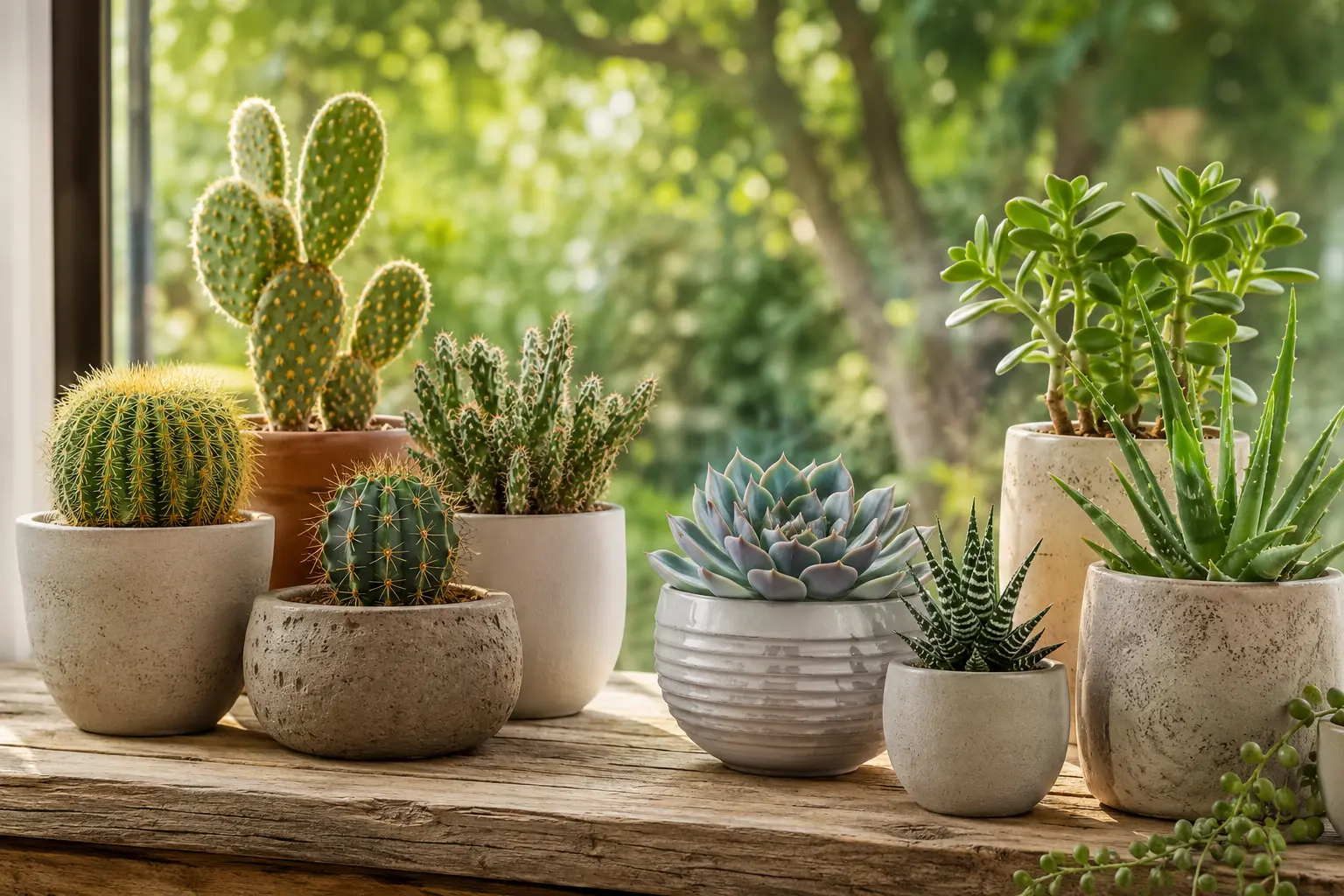
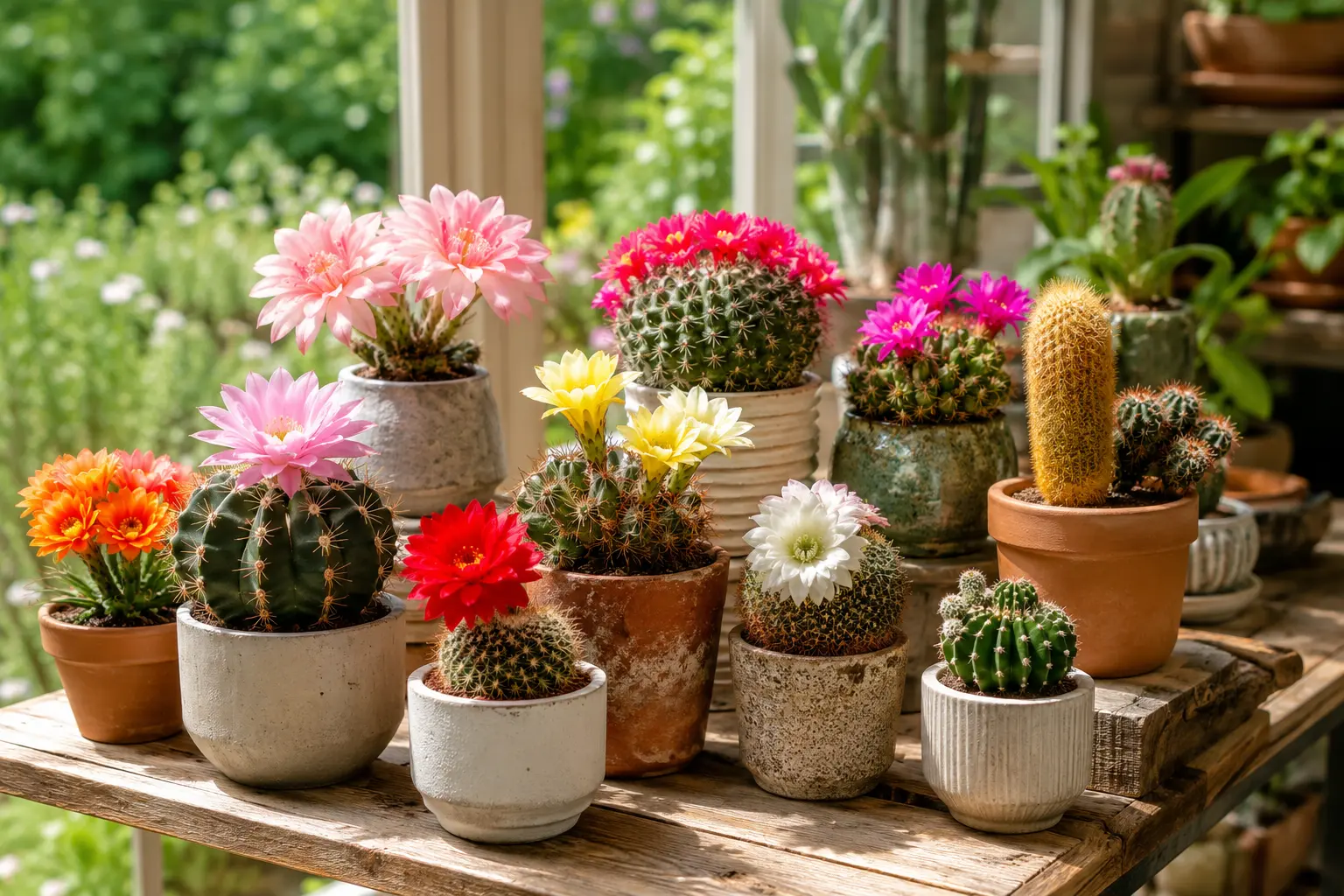
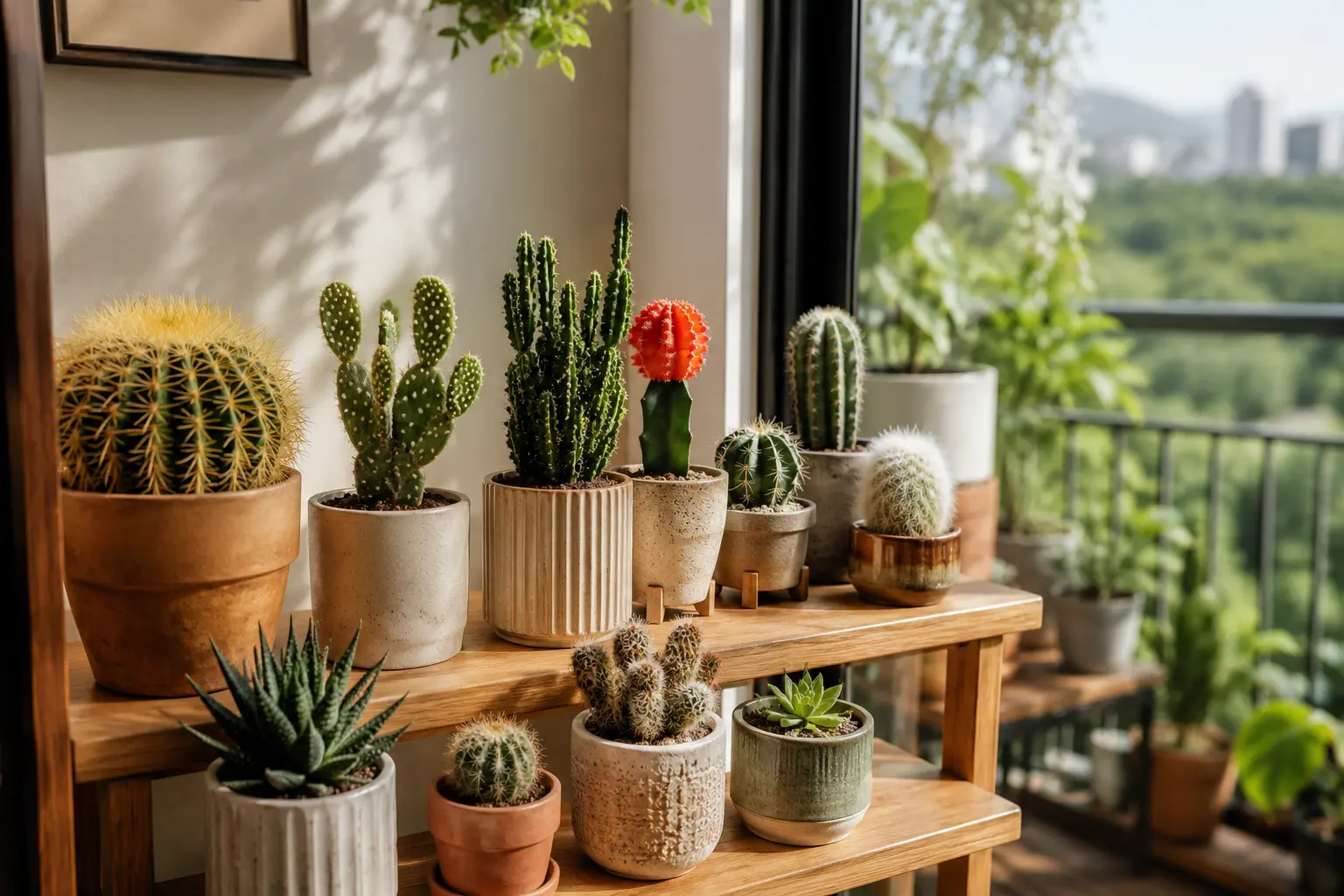
Rare cactus plants are perfect for plant lovers who want something unique, sculptural, and different from common houseplants. These cactus varieties often have unusual shapes, beautiful patterns, colorful details, or slow-growing forms that make them feel special in an indoor plant collection.
Even though some rare cactus plants look unusual, many of them can still be grown indoors with the right care. The most important things are bright light, fast-draining soil, careful watering, and a pot with drainage holes. In this guide, you will discover rare cactus plants you can grow indoors and how to care for them successfully.
Quick tip: Rare cactus plants usually need bright natural light, dry soil between waterings, and extra care when repotting because many of them grow slowly.
Are Rare Cactus Plants Hard to Grow?
Some rare cactus plants can be more sensitive than common cactus varieties, but not all of them are difficult. Many rare cactus plants are slow-growing, which means they do not need frequent repotting or constant attention. However, they can be more expensive, so it is important to avoid common mistakes like overwatering.
If you are a beginner, start with one rare cactus that is known to grow well indoors. Learn its light and watering needs before adding more rare plants to your collection.
1. Bishop’s Cap Cactus
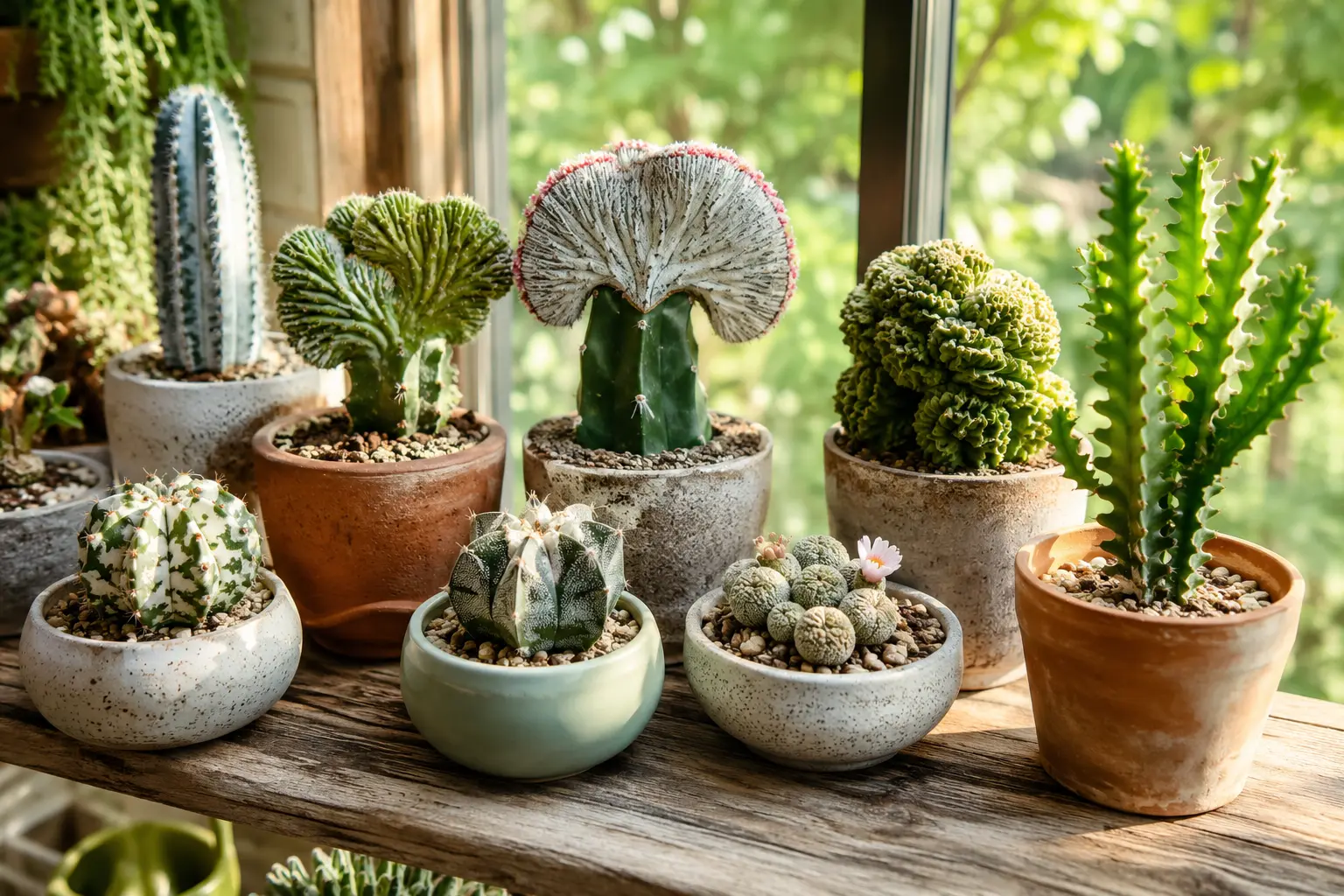
Bishop’s Cap Cactus is a beautiful rare-looking cactus with a clean geometric shape. Its star-like body makes it look elegant and sculptural, especially in a simple ceramic or concrete pot. Some types have tiny white dots across the surface, giving them a unique patterned look.
This cactus can grow indoors near a bright window. It prefers fast-draining soil and dry conditions between waterings. Because it grows slowly, it is a great choice for collectors who enjoy compact cactus plants.
2. Star Cactus
Star Cactus is small, rare-looking, and very decorative. It has a flat, rounded shape with a star pattern that makes it stand out from many common cactus plants. It is perfect for small indoor displays, shelves, desks, and windowsills.
Star Cactus needs bright light and careful watering. It does not like wet soil, so use a cactus soil mix and a small pot with drainage holes. Water only when the soil is completely dry.
3. Living Rock Cactus
Living Rock Cactus is one of the most unusual cactus plants you can grow indoors. Its body can look like a rough stone or natural rock, which makes it very interesting for collectors. It is a slow-growing cactus with a unique desert appearance.
This cactus needs strong bright light and very careful watering. It is best grown in a gritty, fast-draining soil mix. Avoid overwatering because slow-growing cactus plants can rot easily if the soil stays wet.
4. Brain Cactus
Brain Cactus is known for its folded, wavy shape that looks similar to a brain. This strange and beautiful form makes it a favorite among cactus collectors. It can become a strong decorative piece in a modern indoor plant collection.
Brain Cactus grows best in bright light and fast-draining soil. Water only when the soil is dry. Because its folds can hold moisture, avoid spraying water directly onto the plant surface.
5. Totem Pole Cactus
Totem Pole Cactus has a smooth, bumpy, sculptural shape that makes it look very different from many spiny cactus plants. It is often loved for its modern, artistic appearance and can become a beautiful statement plant indoors.
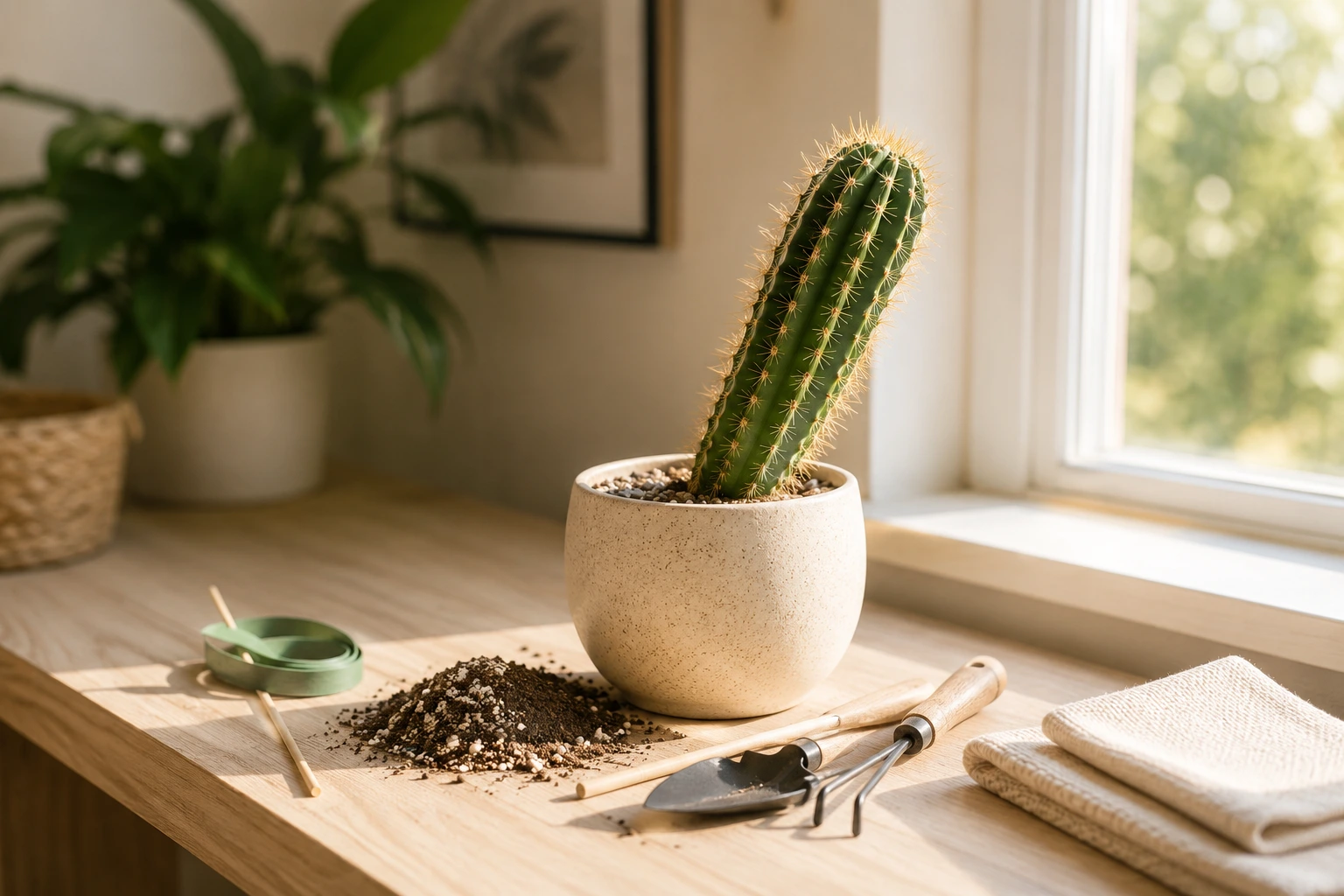
This cactus needs bright light and a stable indoor location. It can grow tall over time, so choose a sturdy pot. Use fast-draining soil and avoid watering too often, especially in cooler months.
6. Variegated Cactus
Variegated cactus plants are rare and beautiful because their green body has unusual yellow, cream, orange, or lighter-colored patterns. No two variegated cactus plants look exactly the same, which makes them very attractive for collectors.
Variegated cactus plants may need bright but gentle light. Too much harsh direct sun can burn the lighter parts, while too little light can weaken the plant. Place them near a bright window with soft natural light.
7. Crested Cactus
Crested cactus plants have unusual fan-like or wavy growth caused by a natural mutation. Their shapes can look like coral, waves, or sculptural forms. This makes them one of the most eye-catching cactus types for indoor decor.
Crested cactus plants need careful watering and a well-draining soil mix. Because their growth form can be delicate, handle them gently and avoid placing them where they may be knocked over.
8. Melocactus
Melocactus is a unique cactus known for its special top structure called a cephalium. This feature can look like a colorful woolly cap on top of the cactus. Its unusual shape makes it very interesting for indoor cactus collectors.
Melocactus likes warmth and bright light. It can be more sensitive to cold than some other cactus plants, so keep it in a stable indoor environment. Use fast-draining soil and water carefully.
9. Blue Torch Cactus
Blue Torch Cactus is loved for its blue-green color and upright columnar shape. Its cool color makes it stand out in indoor plant displays, especially when paired with neutral pots and warm wooden decor.
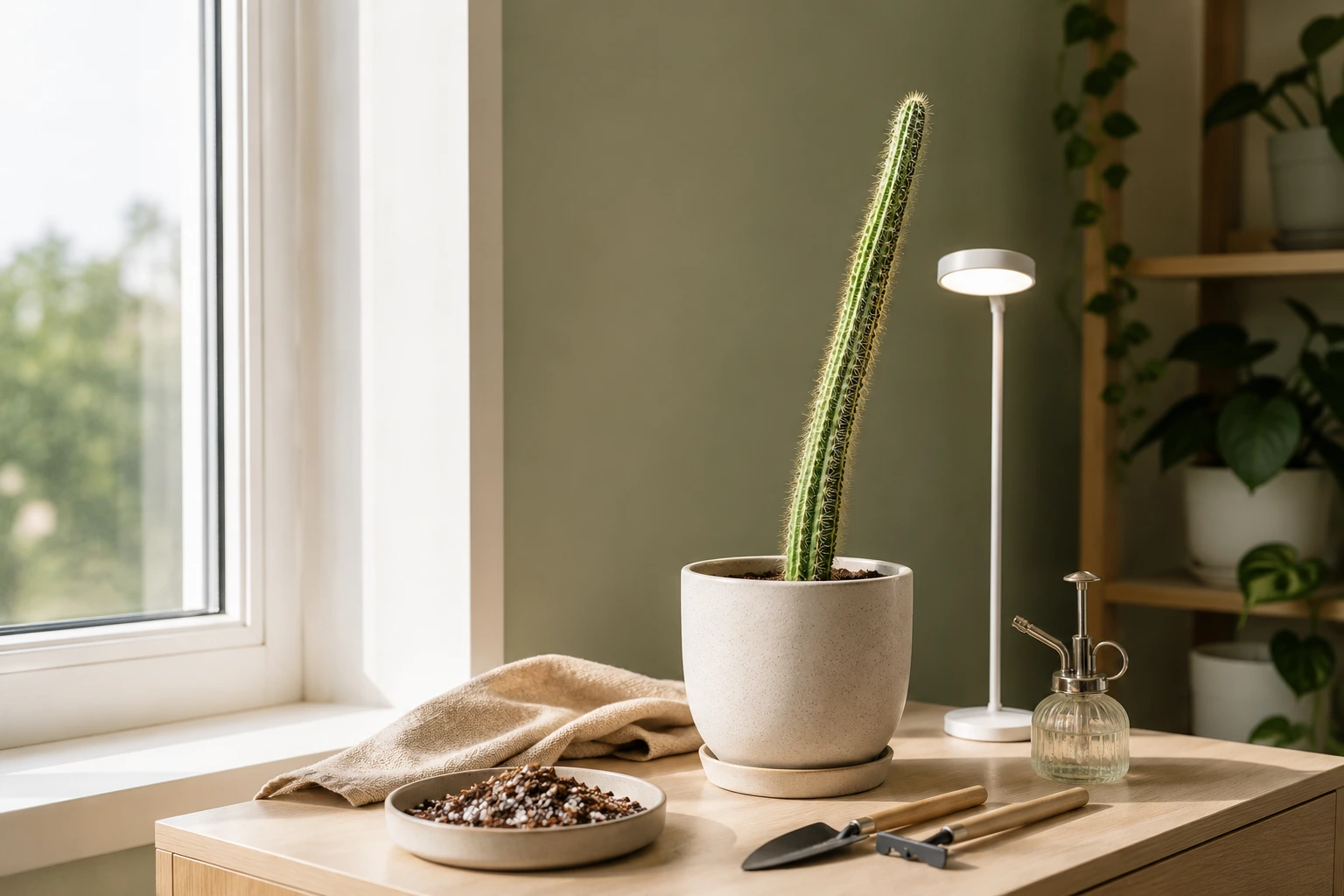
This cactus needs bright light to keep its strong color and healthy growth. It can grow taller over time, so it is best placed where it has room. Water only when the soil is completely dry.
10. Fishbone Cactus
Fishbone Cactus is a rare-looking cactus with long zigzag stems that look like a fishbone pattern. It is different from desert cactus plants and can look beautiful in hanging baskets or on a shelf where the stems can trail.
This cactus prefers bright indirect light and slightly more moisture than many desert cactus plants. Let the top part of the soil dry before watering again, and avoid leaving it in heavy wet soil.
How to Care for Rare Indoor Cactus Plants
Rare cactus plants need simple but careful care. Most of them prefer bright light, dry soil between waterings, and a potting mix that drains quickly. Since many rare cactus plants grow slowly, they can be damaged by too much water or frequent repotting.
- Place rare cactus plants near bright natural light.
- Use a gritty, fast-draining cactus soil mix.
- Choose pots with drainage holes.
- Water only when the soil is fully dry.
- Avoid heavy misting or wet plant surfaces.
- Protect delicate or variegated cactus plants from harsh direct sun.
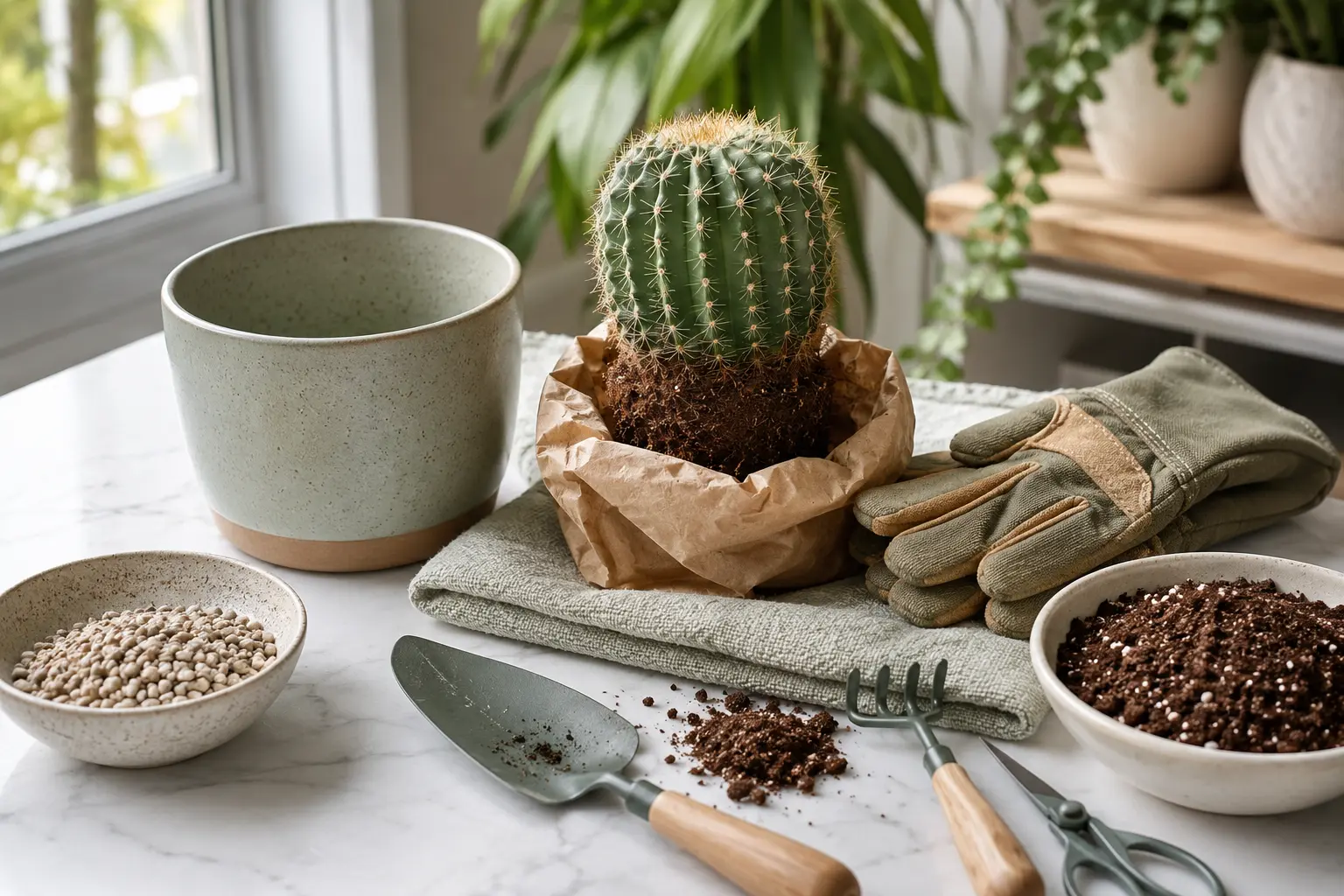
- Handle rare cactus plants carefully when repotting.
Best Pots for Rare Cactus Plants
Rare cactus plants look beautiful in simple pots that highlight their unique shapes. Ceramic, terracotta, and concrete pots all work well as long as they have drainage holes. Terracotta can be especially helpful because it allows the soil to dry faster.
Choose a pot that is only slightly larger than the root system. A pot that is too large can hold extra moisture and increase the risk of root rot.
Common Mistakes to Avoid
The biggest mistake with rare cactus plants is overwatering. Because many rare cactus plants grow slowly, they cannot handle wet soil for long periods. Always check the soil before watering and wait until it is completely dry.
Another mistake is giving all rare cactus plants the same care. Some need strong sunlight, while others prefer bright indirect light. Always learn the needs of the exact cactus variety you have.
Final Thoughts
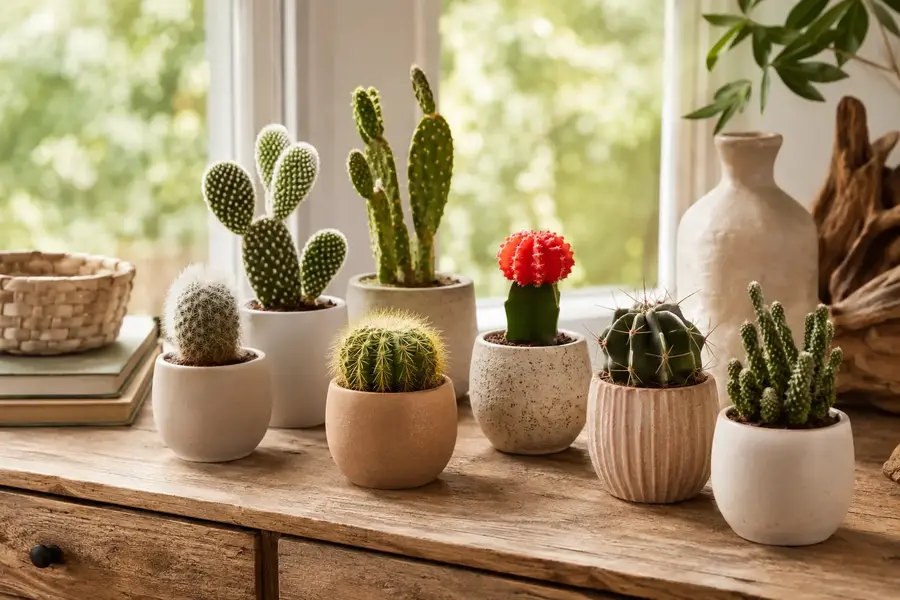
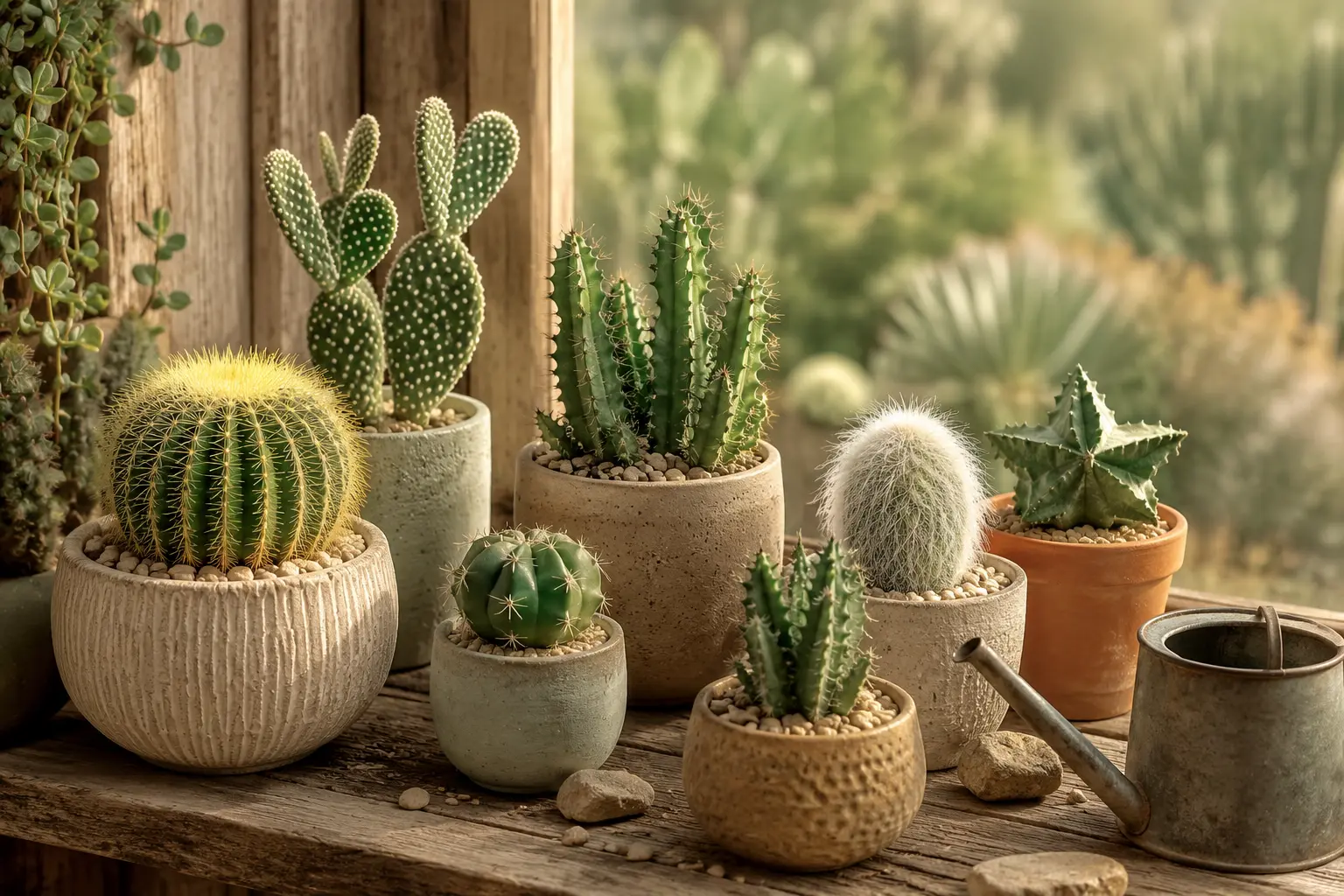
Rare cactus plants can make your indoor plant collection feel special, artistic, and unique. Bishop’s Cap Cactus, Star Cactus, Living Rock Cactus, Brain Cactus, Totem Pole Cactus, Variegated Cactus, Crested Cactus, Melocactus, Blue Torch Cactus, and Fishbone Cactus are all beautiful options to explore.
To grow rare cactus plants indoors, give them bright light, fast-draining soil, careful watering, and stable indoor conditions. With patience and the right care, these unique cactus varieties can become some of the most impressive plants in your home.