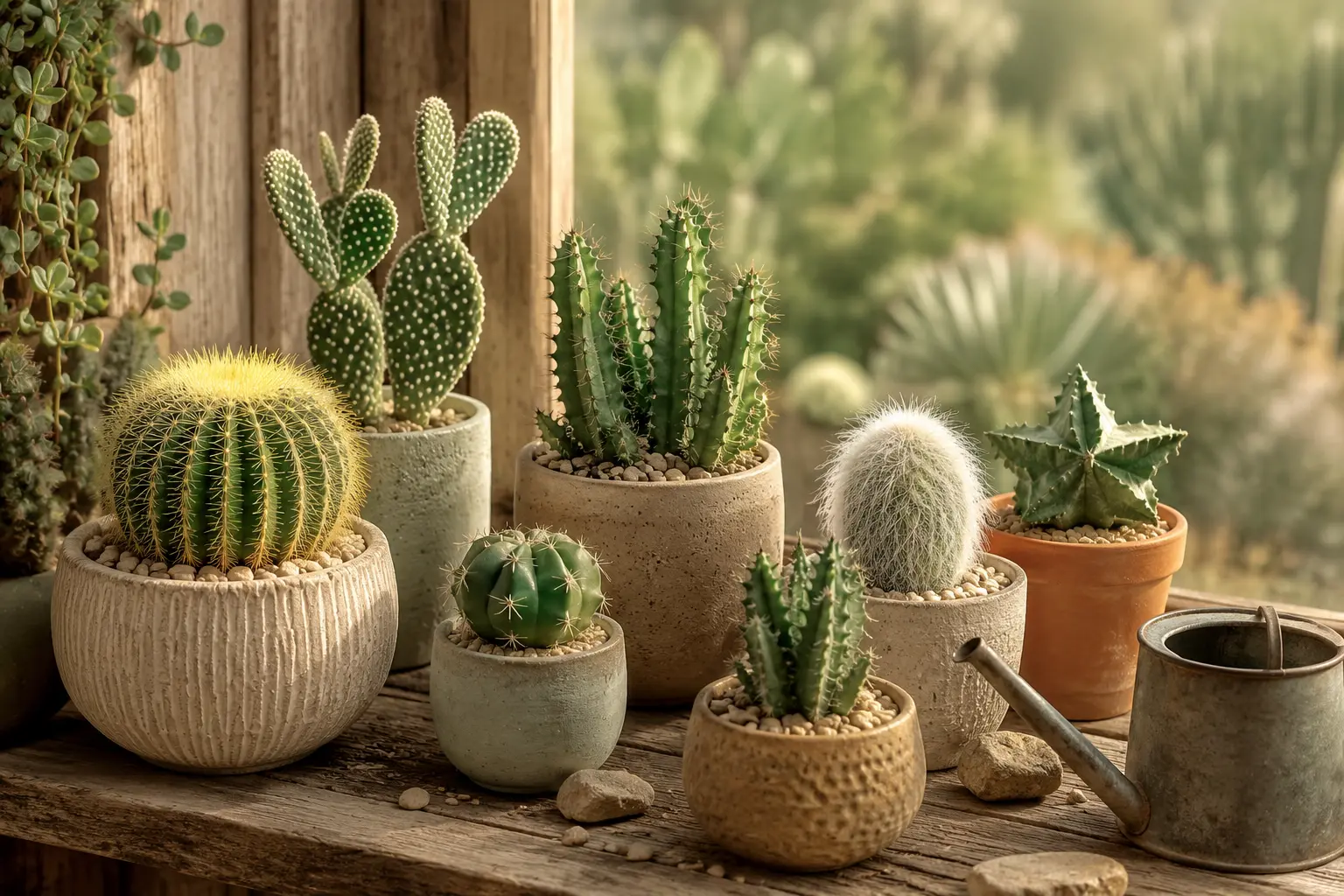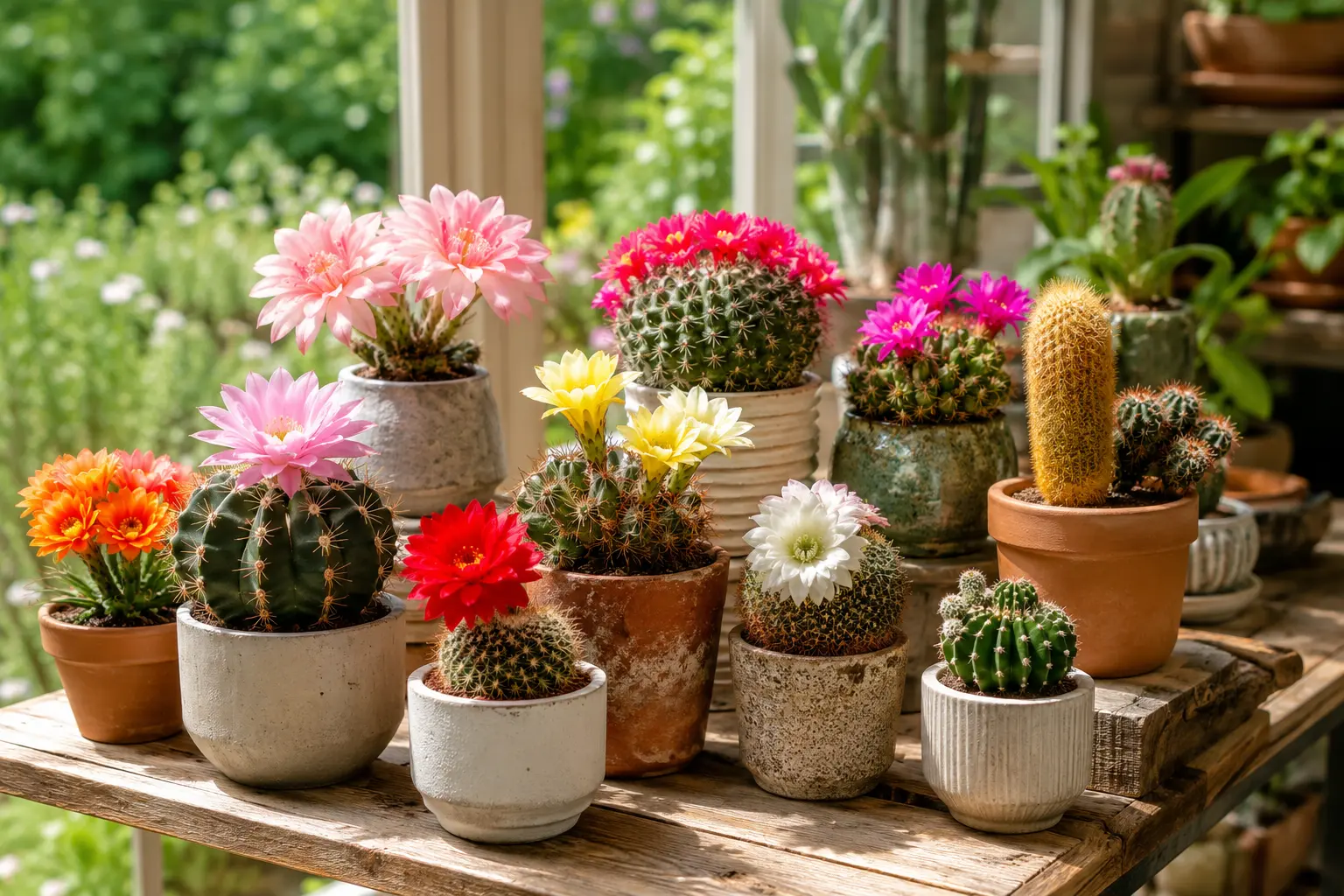
Learn how much sunlight a cactus needs indoors, the best window placement, signs of too little or too much light, and how to protect your cactus from sunburn.
How Much Sunlight Does a Cactus Need?
Sunlight is one of the most important things a cactus needs to stay healthy. Cactus plants are known for loving bright light, but many beginners are not sure how much sunlight is enough. Too little light can make a cactus weak, while too much strong direct sunlight can sometimes cause sunburn.
The right amount of sunlight depends on the cactus type, where it is placed, the season, and whether it is grown indoors or outdoors. In this guide, you will learn how much sunlight a cactus needs, where to place it inside your home, and how to recognize light problems early.
How Many Hours of Sunlight Does a Cactus Need?
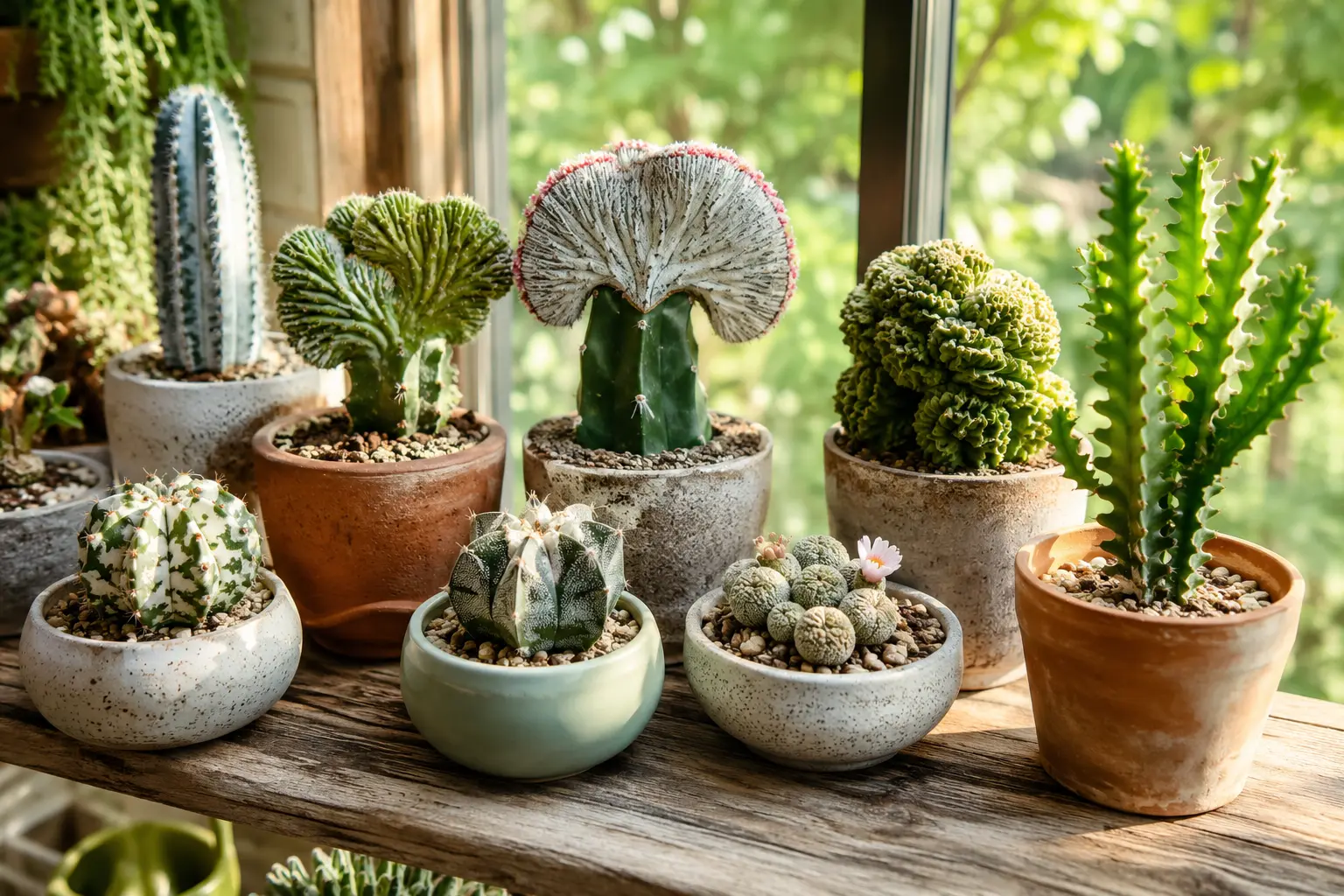
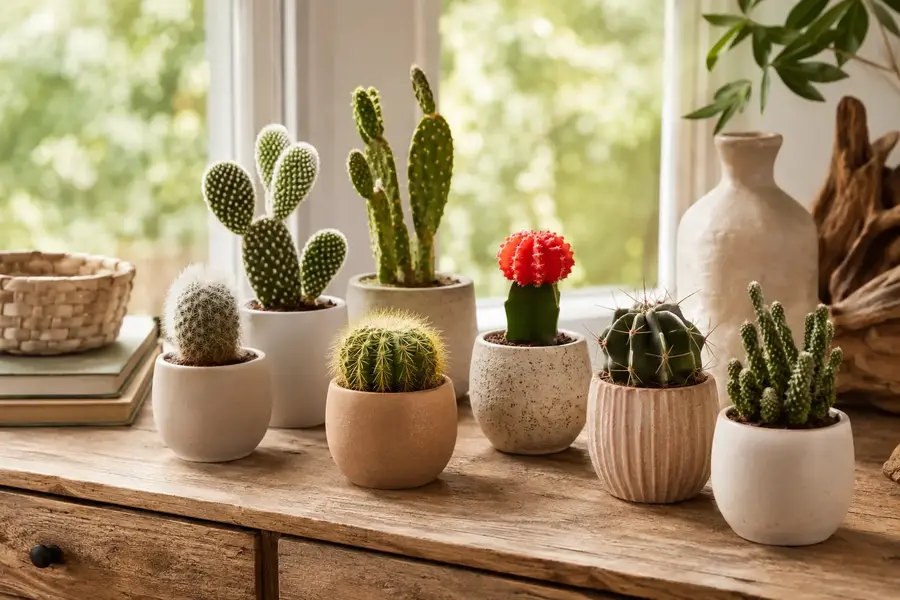
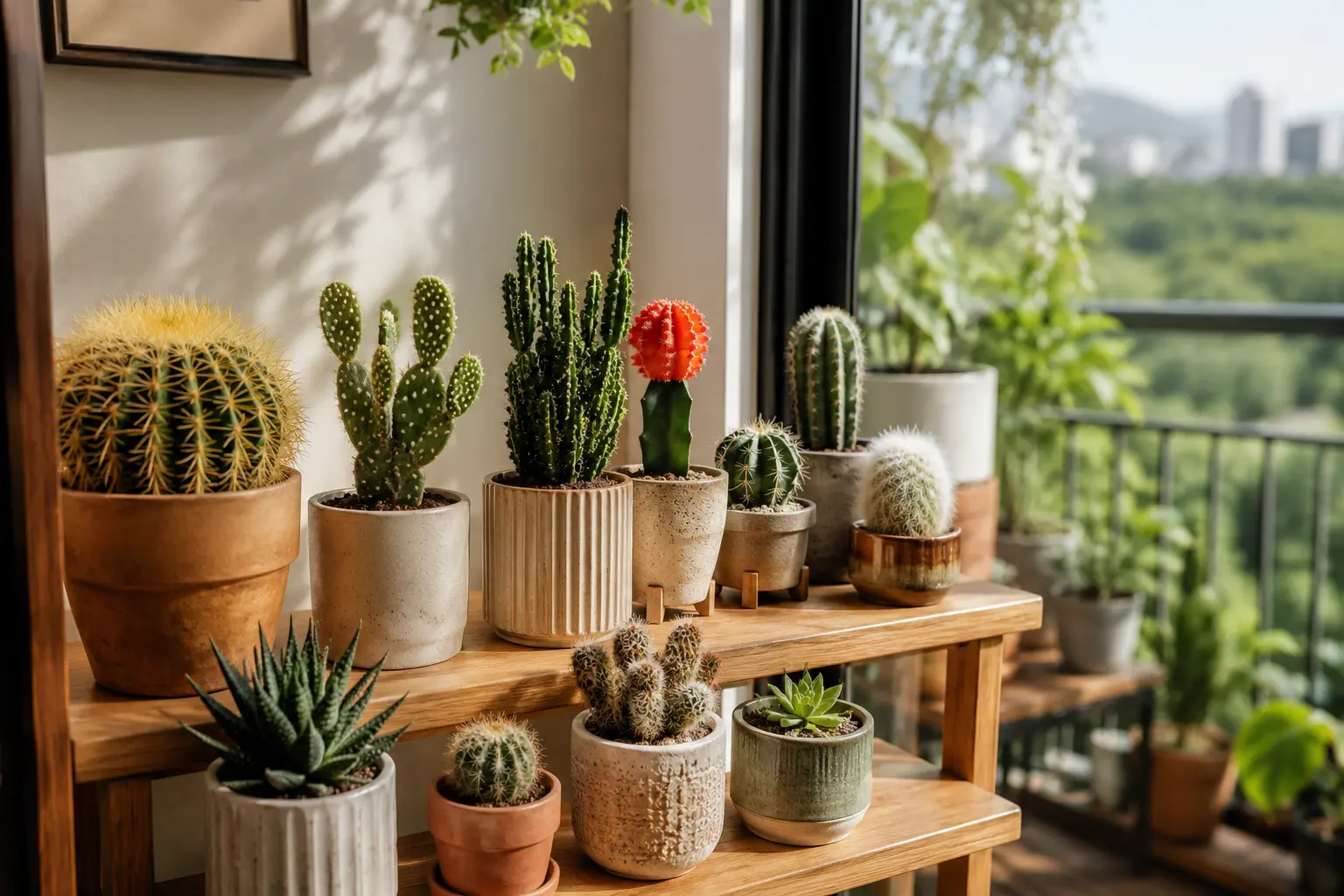
Most cactus plants need about four to six hours of bright light each day. Some desert cactus plants can handle more direct sunlight, while some indoor cactus varieties prefer bright indirect light. For many indoor cactus plants, a bright window is usually the best place.
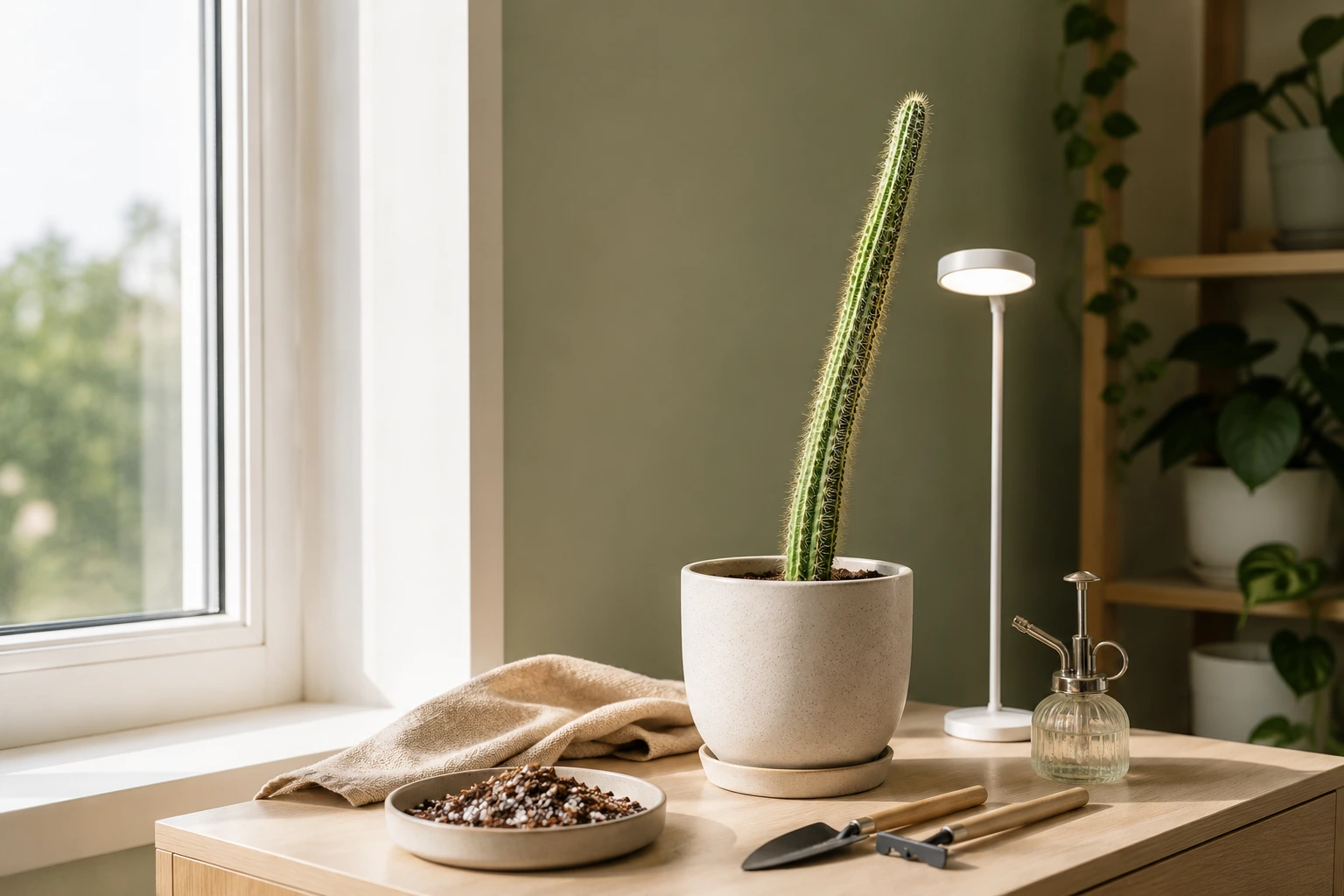
If your cactus receives enough light, it will usually stay firm, green, and compact. If it does not get enough light, it may begin to stretch, lean, or grow thin as it searches for more sunlight.
Beginner tip: A cactus usually grows best with several hours of bright natural light every day, but it should be introduced to strong direct sun slowly.
Best Window for an Indoor Cactus
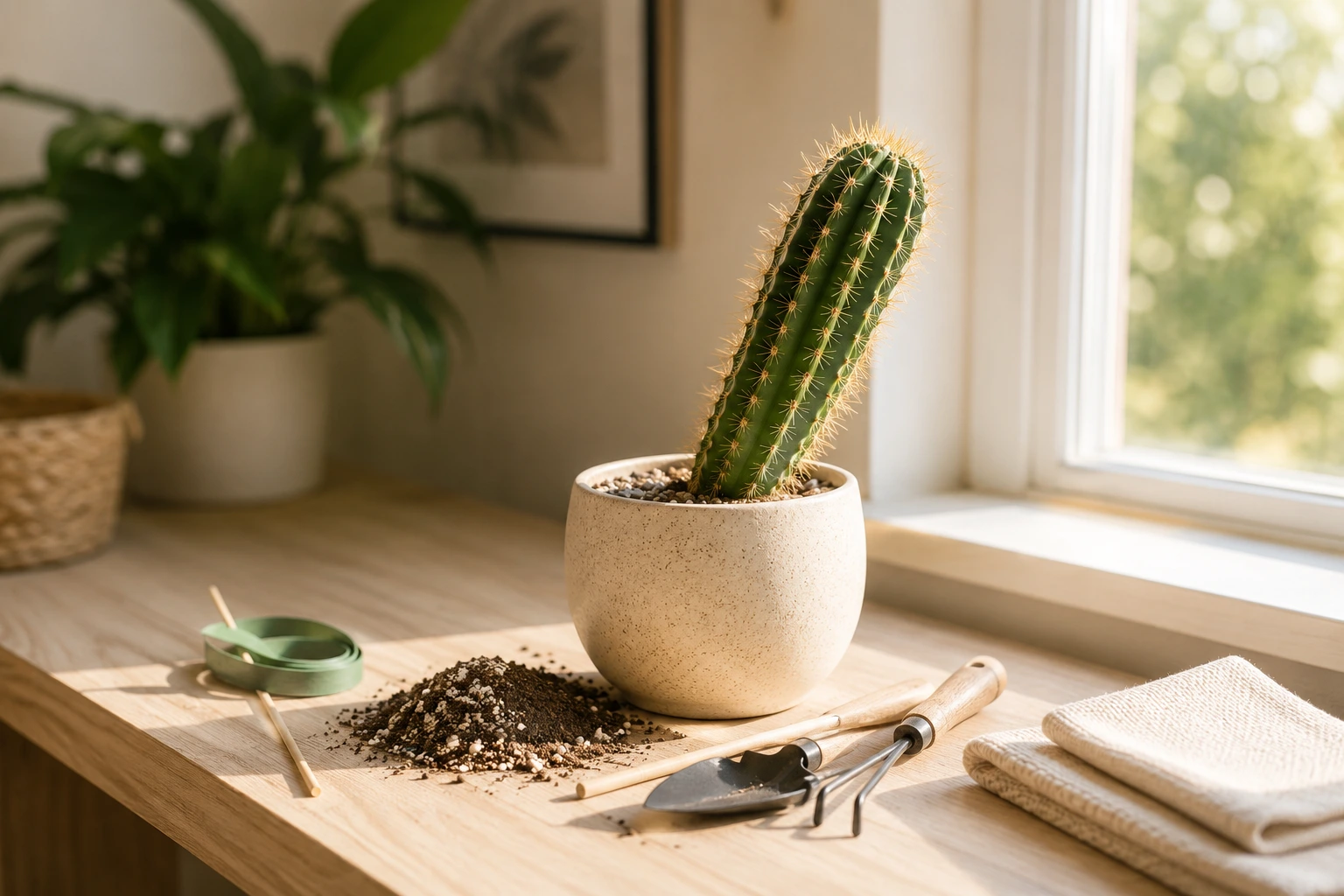
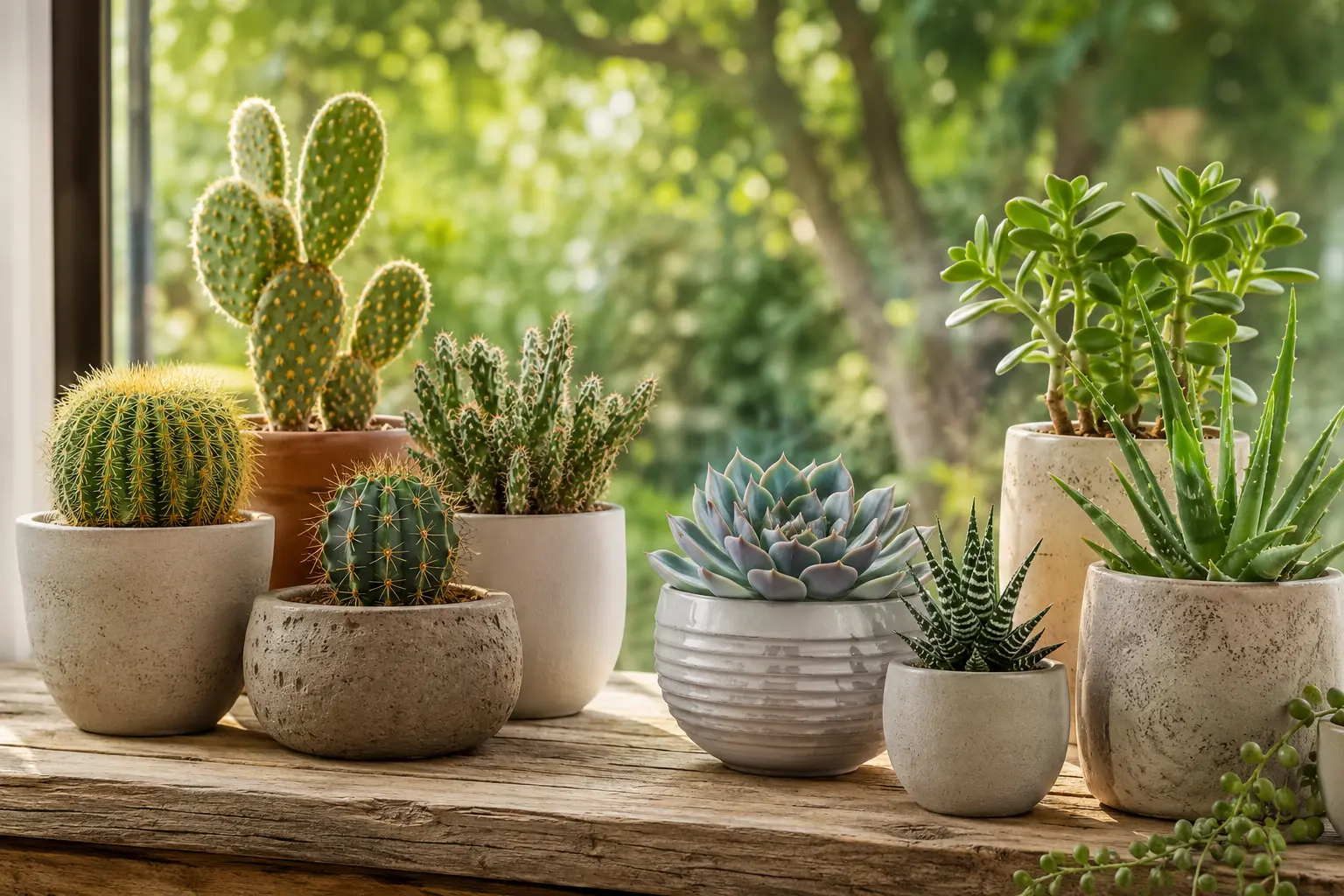
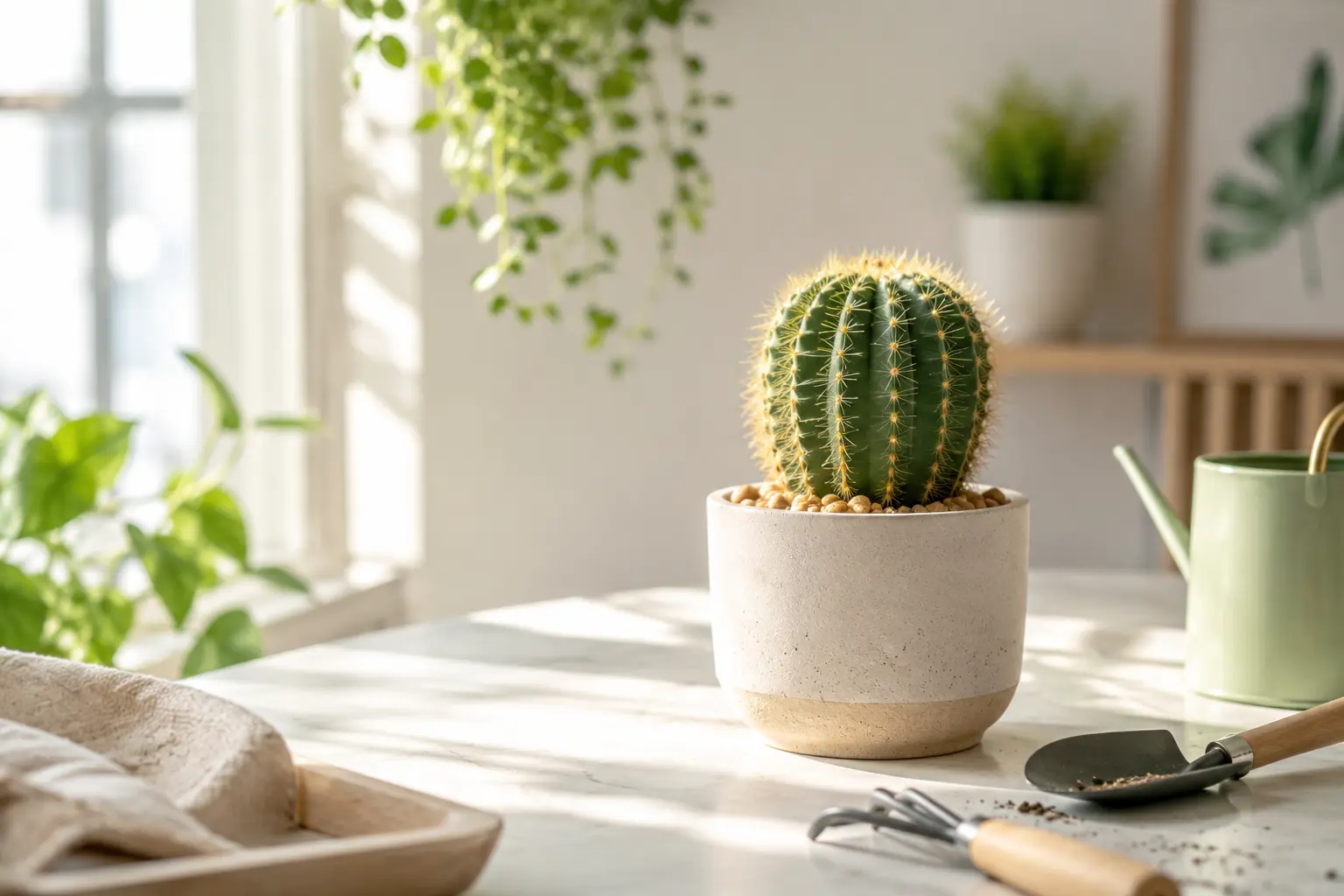
A sunny windowsill is often the best location for an indoor cactus. South-facing windows usually provide the brightest light, while east-facing windows give softer morning sunlight. West-facing windows can also work, but the afternoon sun may be stronger and hotter.
If your cactus is near a north-facing window, it may not receive enough light, especially during winter. In that case, you may need to move it closer to a brighter window or use a grow light.
Direct Sunlight vs Bright Indirect Light
Direct sunlight means the sun shines directly on the cactus. Bright indirect light means the area is very bright, but the sun does not hit the plant directly for many hours. Many cactus plants enjoy some direct sunlight, especially in the morning.
However, if a cactus has been kept indoors or in low light for a long time, strong direct sun can burn it. It is better to increase sunlight slowly so the cactus has time to adjust.
Signs Your Cactus Needs More Light
A cactus that does not get enough sunlight will often show visible changes. The plant may look weak, pale, or stretched. This condition is common when cactus plants are placed far from a window or in a dark room.
- The cactus is growing tall and thin.
- The cactus is leaning toward the window.
- The color becomes pale green or yellowish.
- New growth looks weak or narrow.
- The cactus stops growing for a long time.
If you notice these signs, move your cactus to a brighter place. Do this gradually instead of moving it suddenly into very strong sunlight.
Signs Your Cactus Is Getting Too Much Sun
Although cactus plants like sunlight, too much strong direct sun can cause problems, especially for indoor cactus plants that are not used to it. Sunburn can appear as yellow, brown, white, or dry patches on the cactus skin.
- Yellow or brown dry patches appear on the cactus.
- The cactus surface looks burned or rough.
- The plant becomes stressed after being moved to direct sun.
- The side facing the window changes color.
If your cactus has sunburn, move it slightly away from the window or use a thin curtain to soften the sunlight. Sunburn marks may not fully disappear, but you can stop the damage from spreading.
How to Move a Cactus to More Sunlight Safely
If your cactus has been in a dark place, do not move it directly into strong sunlight all at once. Sudden light changes can shock the plant and cause burns. Instead, increase the light little by little.
Start by placing the cactus in bright indirect light for a few days. Then allow it to receive gentle morning sun. After one or two weeks, you can increase the amount of sunlight if the cactus looks healthy.
Sunlight Needs in Summer
During summer, sunlight is stronger and the soil dries faster. Many cactus plants enjoy the extra brightness, but the hottest afternoon sun can sometimes be too intense, especially through glass windows.
If your cactus is near a very hot window, watch for yellow or brown patches. You can move it a little farther from the glass or use a light curtain during the strongest hours of the day.
Sunlight Needs in Winter
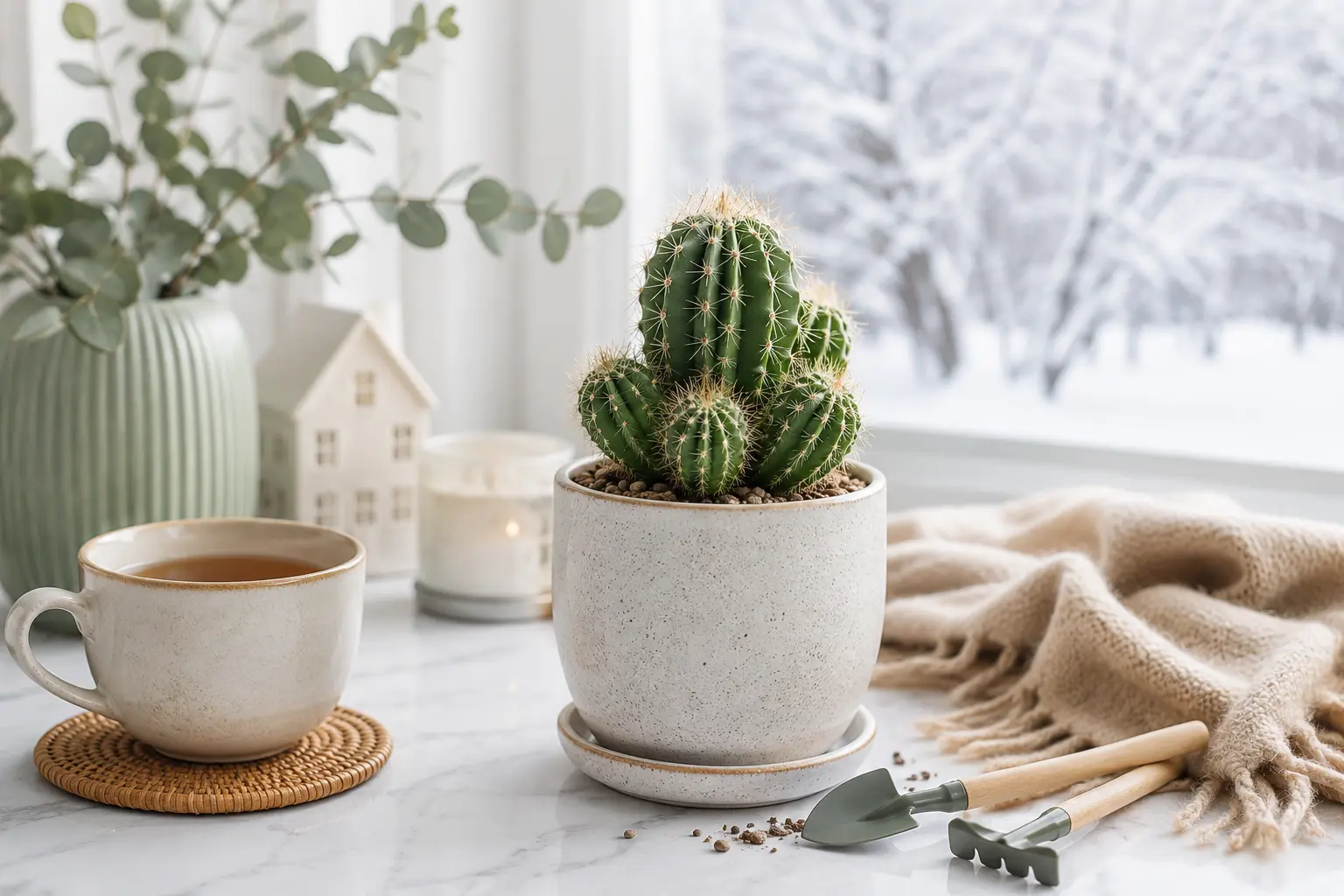
In winter, cactus plants usually receive less natural light. The days are shorter, and indoor rooms may become darker. Your cactus may grow more slowly during this season, which is normal.
Try to place your cactus near the brightest window during winter. Also reduce watering, because less light means the soil dries more slowly and the plant uses less water.
Can a Cactus Grow Without Sunlight?
A cactus cannot stay healthy without light. Like other plants, cactus plants need light to make energy. If a cactus is kept in a dark room for too long, it will become weak and may eventually die.
If your room does not get enough natural light, you can use a grow light. A grow light can help provide the brightness your cactus needs, especially in apartments or rooms with small windows.
Simple Light Care Checklist
- Place your cactus near a bright window.
- Give it about four to six hours of bright light daily.
- Use morning sun when possible.
- Avoid sudden changes from shade to strong direct sun.
- Watch for stretching, leaning, or pale growth.
- Protect indoor cactus plants from harsh afternoon sun.
- Use a grow light if your room is too dark.
Final Thoughts
Most cactus plants need several hours of bright light every day to stay healthy. A sunny window is usually the best place for an indoor cactus, especially if it receives gentle morning light or bright indirect light.
The key is balance. Too little sunlight can make your cactus weak and stretched, while too much strong direct sun can cause burns. By watching your cactus and adjusting its location, you can give it the right amount of light for healthy indoor growth.