Learn how to care for a cactus indoors with simple beginner tips about watering, sunlight, soil, pots, temperature, and common cactus problems.
How to Care for a Cactus Indoors: Beginner Guide
Cactus plants are one of the best indoor plants for beginners. They are beautiful, simple to care for, and perfect for adding a natural green touch to your home. Many people love cactus plants because they do not need daily attention, but they still need the right care to stay healthy.
If you are new to indoor gardening, learning how to care for a cactus is a great place to start. With the right light, watering routine, soil, and pot, your cactus can grow strong and look beautiful for many years.
Why Cactus Plants Are Great for Beginners
Cactus plants are popular because they are low-maintenance and strong. Unlike many houseplants, cactus plants can store water inside their stems, which helps them survive in dry conditions. This makes them a great choice for busy people, students, offices, and anyone who forgets to water plants often.
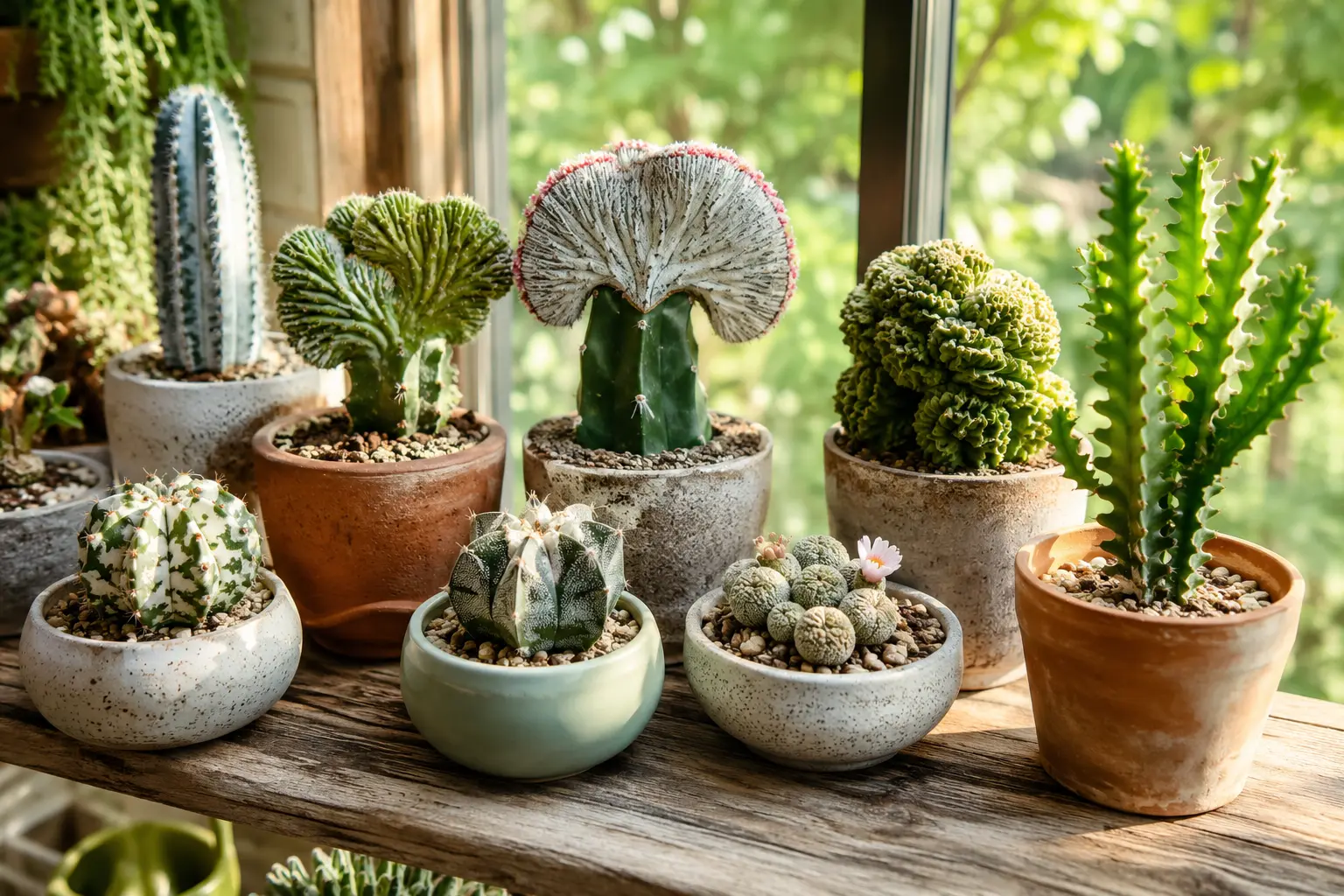
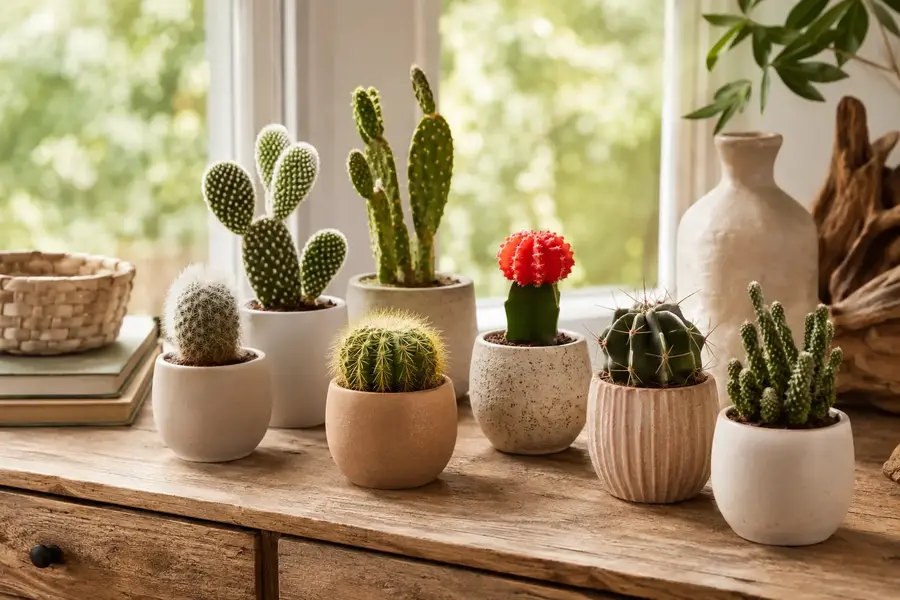
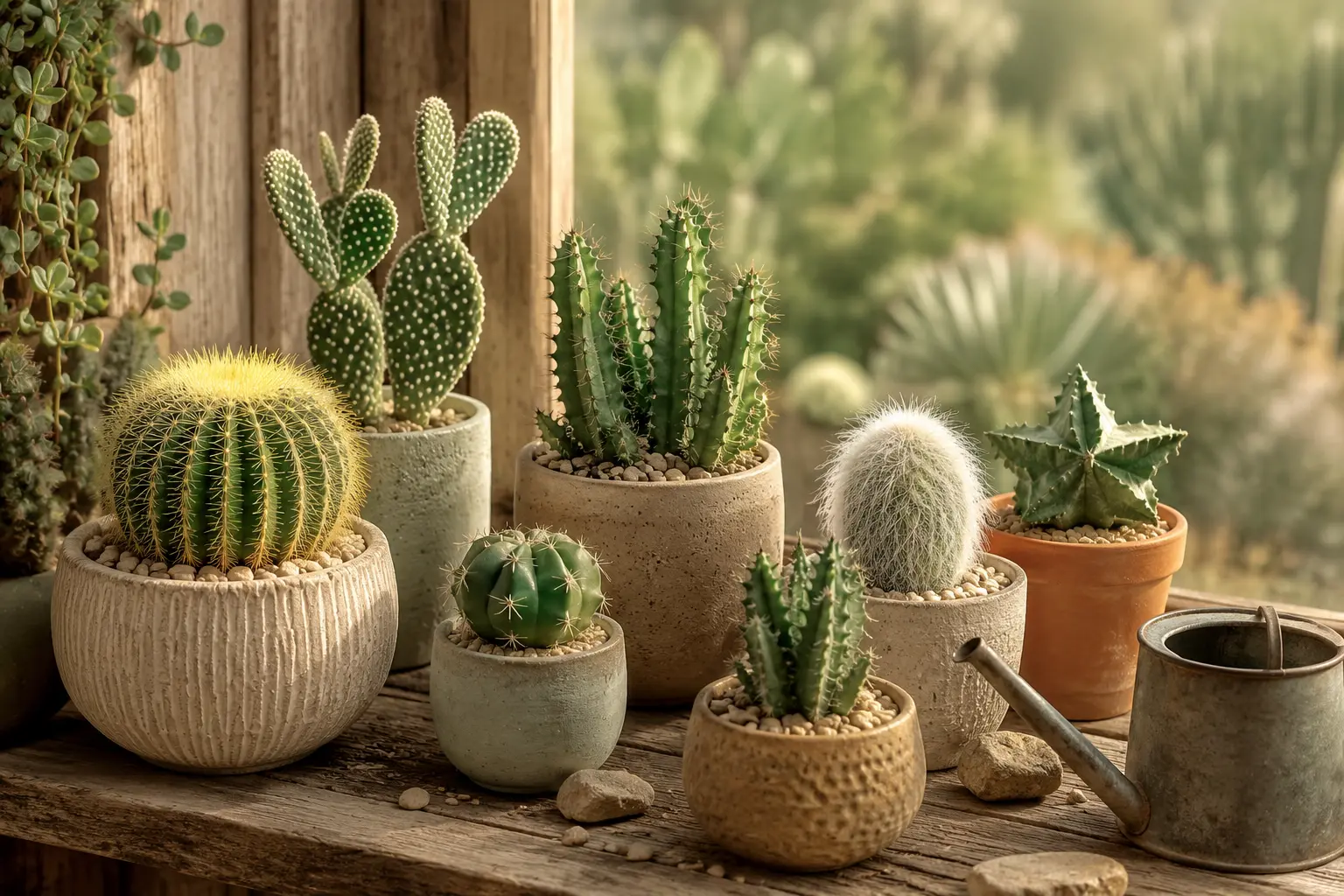
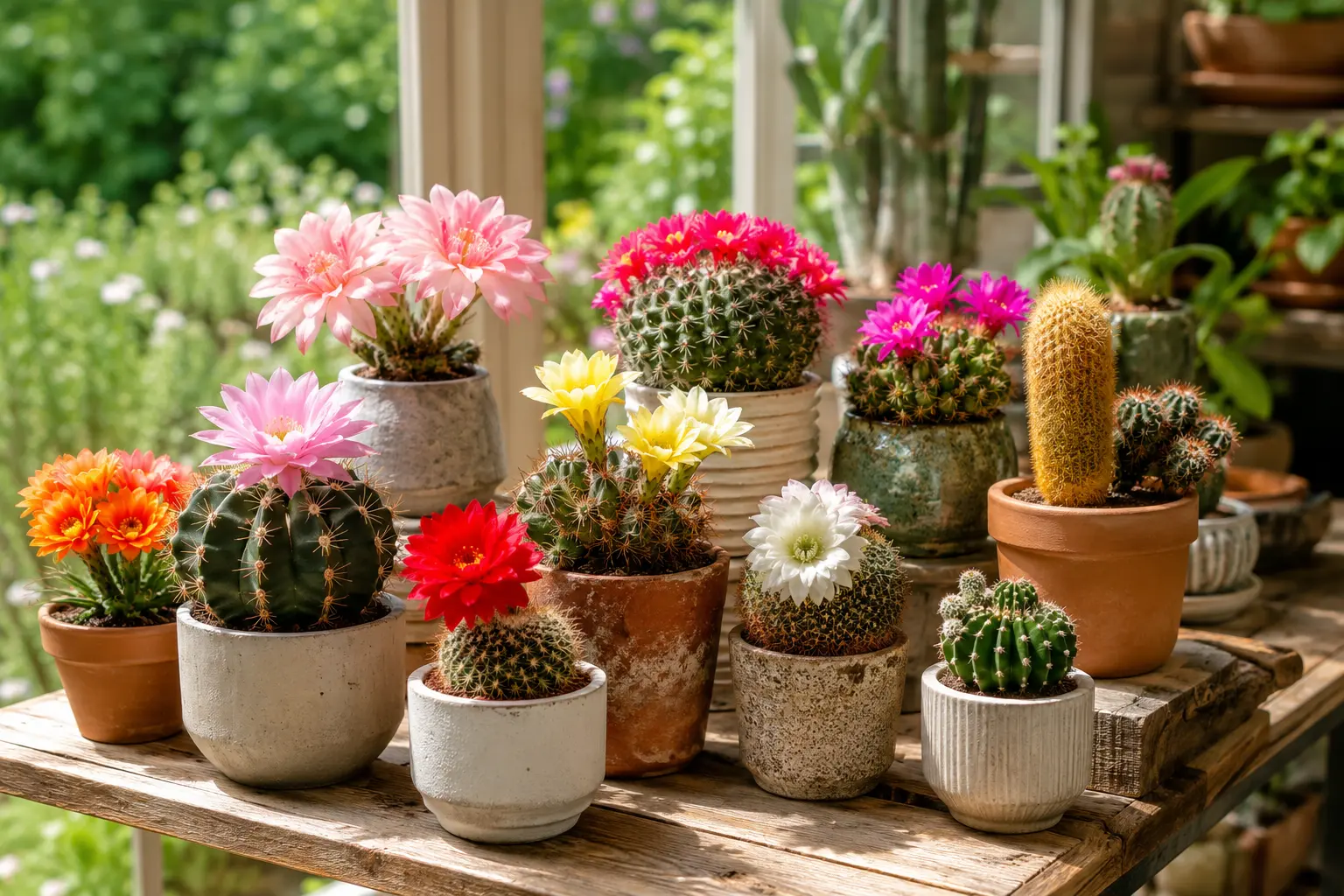
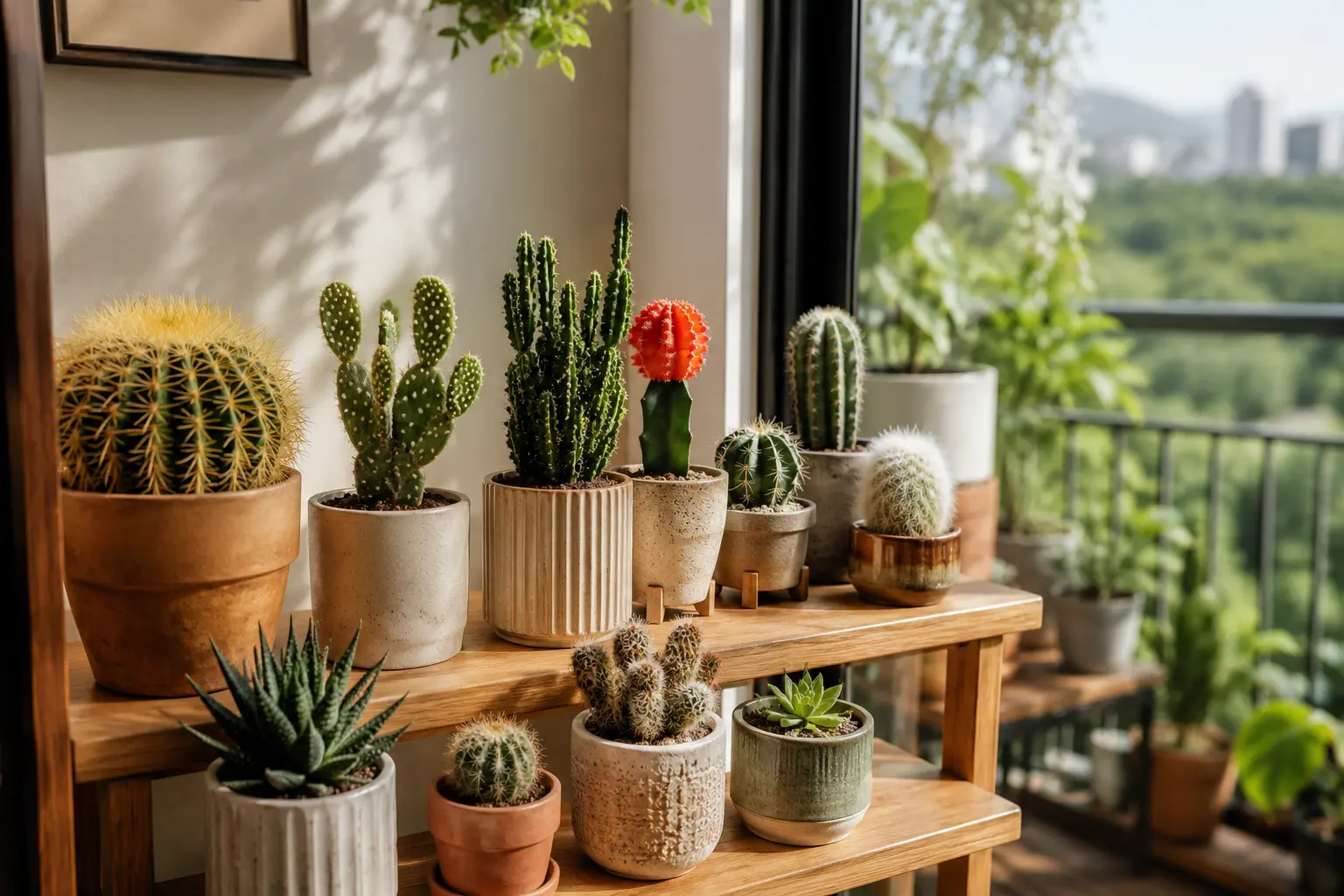
Indoor cactus plants also look beautiful in home decoration. You can place them on a desk, shelf, windowsill, coffee table, or near a sunny window. Their unique shapes and colors can make any room feel fresh, calm, and modern.
Choose the Right Place for Your Cactus
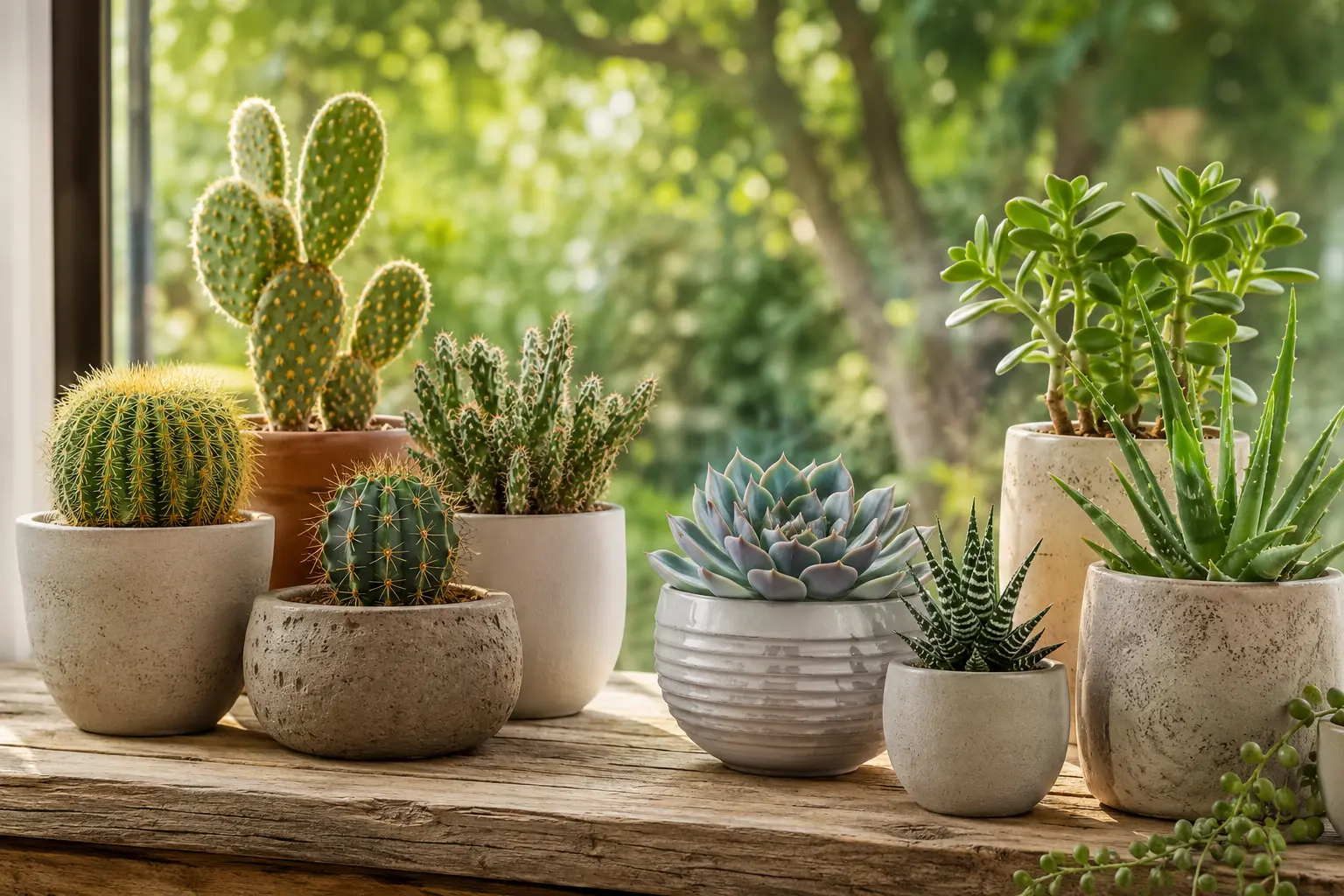
The first step in caring for a cactus indoors is choosing the right location. Most cactus plants love bright light. A sunny windowsill is usually the best place, especially near a south-facing or east-facing window.
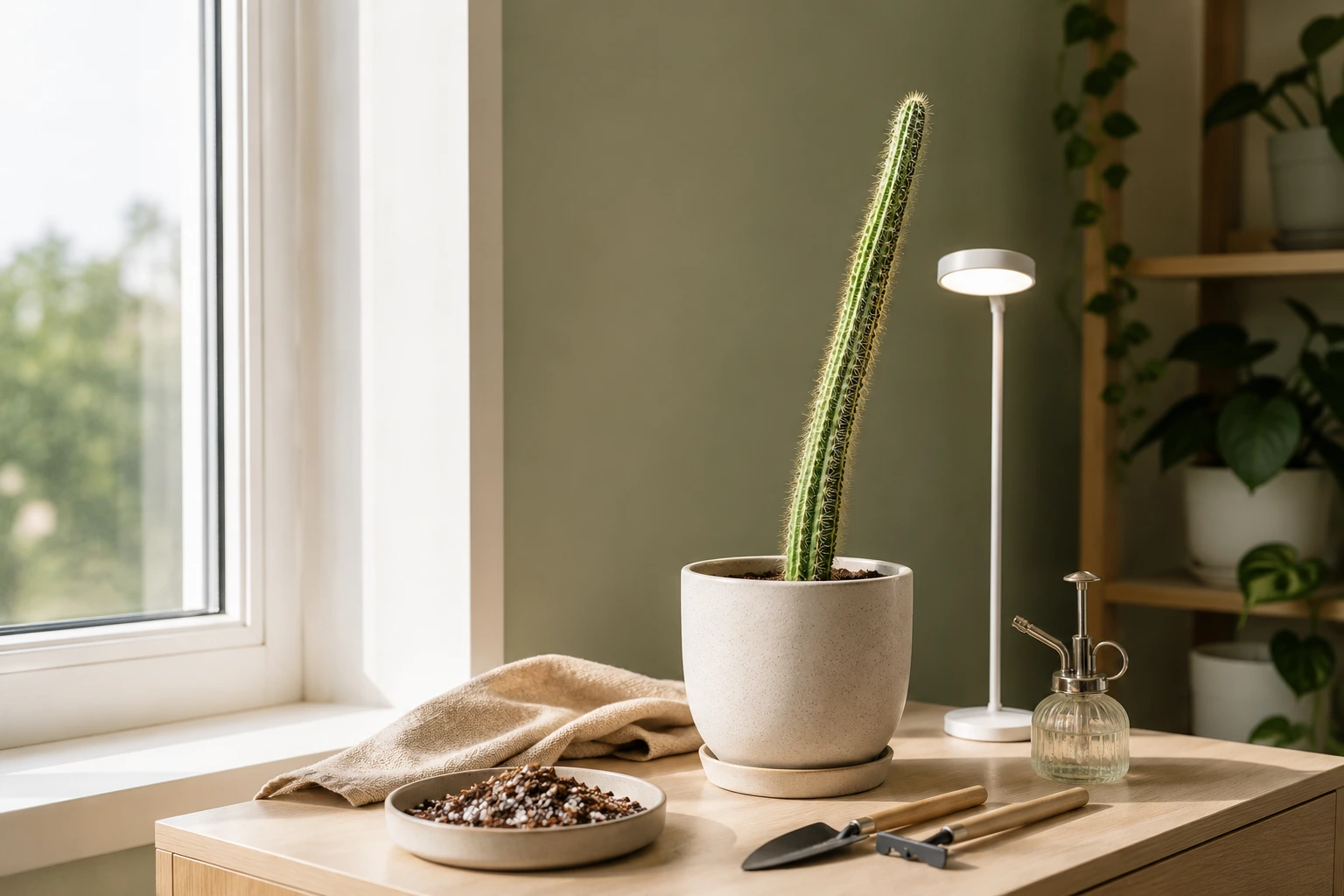
If your cactus does not receive enough light, it may become tall, thin, or weak. This happens because the plant stretches toward the light. If you notice your cactus leaning or growing strangely, try moving it to a brighter location.
How Much Sunlight Does an Indoor Cactus Need?
Most indoor cactus plants need several hours of bright light each day. However, not all cactus plants should be placed suddenly in strong direct sunlight. If your cactus was kept in a low-light area before, move it slowly to a brighter place over a few days.
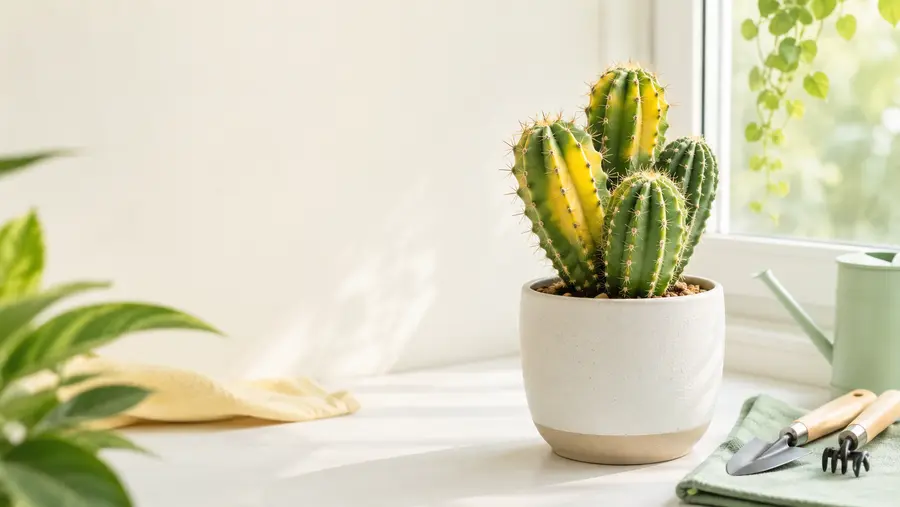
This helps prevent sunburn. Signs of too much direct sun can include brown, yellow, or dry patches on the cactus. A bright window with soft natural light is usually perfect for many indoor cactus plants.
How Often Should You Water a Cactus Indoors?
Watering is one of the most important parts of cactus care. The biggest mistake beginners make is watering too much. Cactus plants do not like wet soil for a long time, and too much water can cause root rot.
The best rule is simple: water your cactus only when the soil is completely dry. During warm months, this may be every two to three weeks. During winter, your cactus may need water only once every four to six weeks.
How to Check If Your Cactus Needs Water
Before watering, always check the soil. Put your finger about one or two inches into the soil. If the soil feels dry, you can water the cactus. If it still feels moist, wait a few more days.
You can also use a wooden stick. Push it into the soil and pull it out. If the stick comes out dry and clean, the cactus may need water. If soil sticks to it, there is still moisture inside the pot.
The Right Way to Water a Cactus
When you water your cactus, water deeply until extra water drains from the bottom of the pot. This helps the roots receive enough moisture. After watering, let the soil dry completely before watering again.
Never leave your cactus sitting in water. If there is a saucer under the pot, empty it after watering. Standing water can damage the roots and make the cactus soft or mushy.
Use Well-Draining Cactus Soil
Cactus plants need soil that drains quickly. Normal garden soil can hold too much water, which is not good for cactus roots. A cactus soil mix is a better choice because it allows water to pass through easily.
You can also improve soil drainage by adding perlite, pumice, coarse sand, or small stones. The goal is to create a light soil mix that does not stay wet for too long.
Choose the Right Pot
The pot you choose is very important. Always use a pot with drainage holes at the bottom. These holes allow extra water to escape and help protect the roots from rot.
Terracotta pots are a great option for cactus plants because they allow moisture to dry faster. Ceramic and plastic pots can also work, but you need to be more careful not to overwater.
Best Temperature for Indoor Cactus Plants
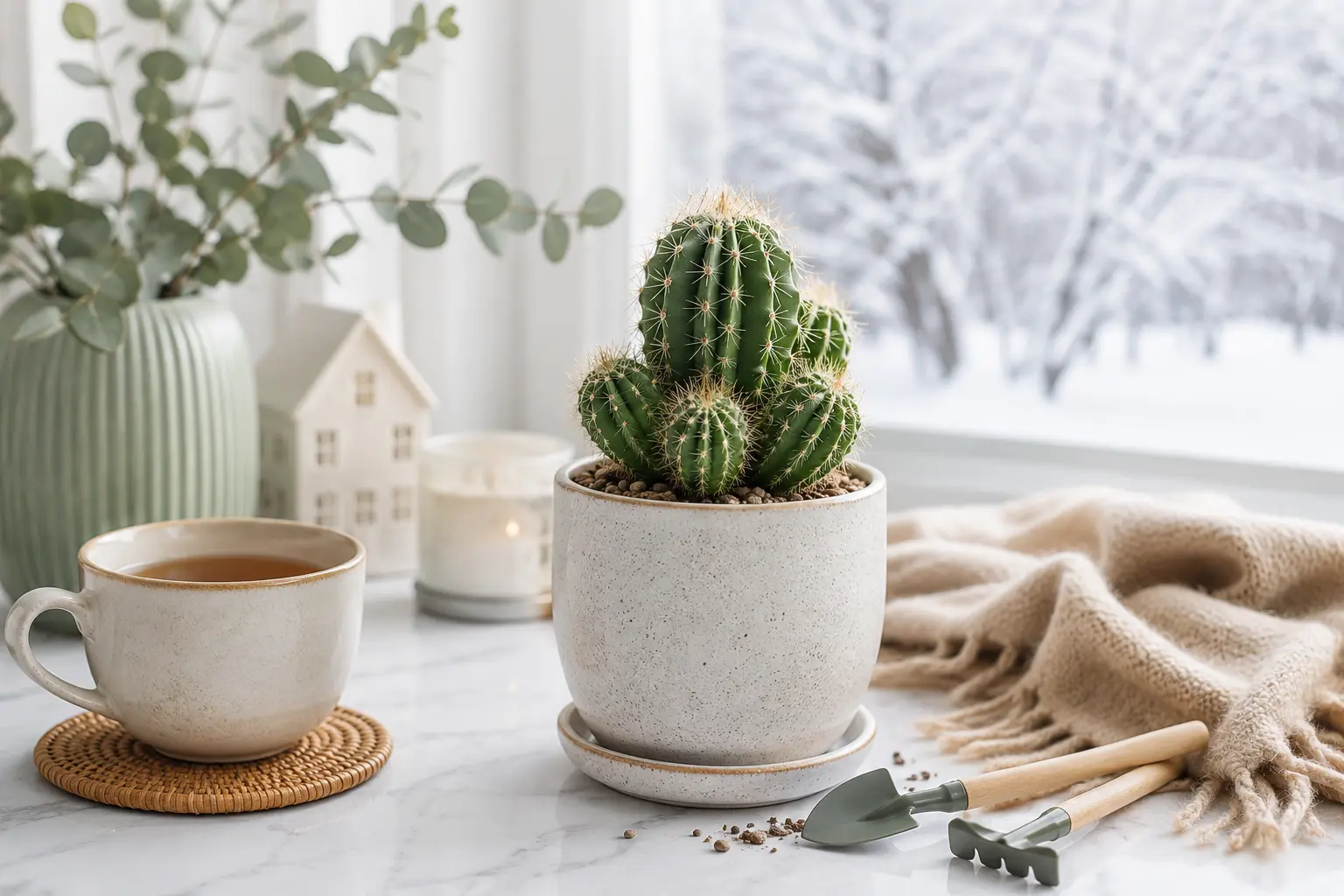
Most cactus plants like warm indoor temperatures. A normal room temperature is usually fine. Keep your cactus away from cold drafts, heaters, air conditioners, and very cold windows during winter.
Sudden temperature changes can stress the plant. Try to keep your cactus in a stable place where it gets enough light and is protected from extreme cold or heat.
Should You Fertilize a Cactus?
Cactus plants do not need a lot of fertilizer, but feeding them during the growing season can help them stay healthy. Spring and summer are usually the best times to fertilize cactus plants.
Use a cactus fertilizer or a balanced houseplant fertilizer diluted to a weaker strength. Avoid fertilizing too often, especially in winter, because the plant grows more slowly during cold months.
How to Repot a Cactus
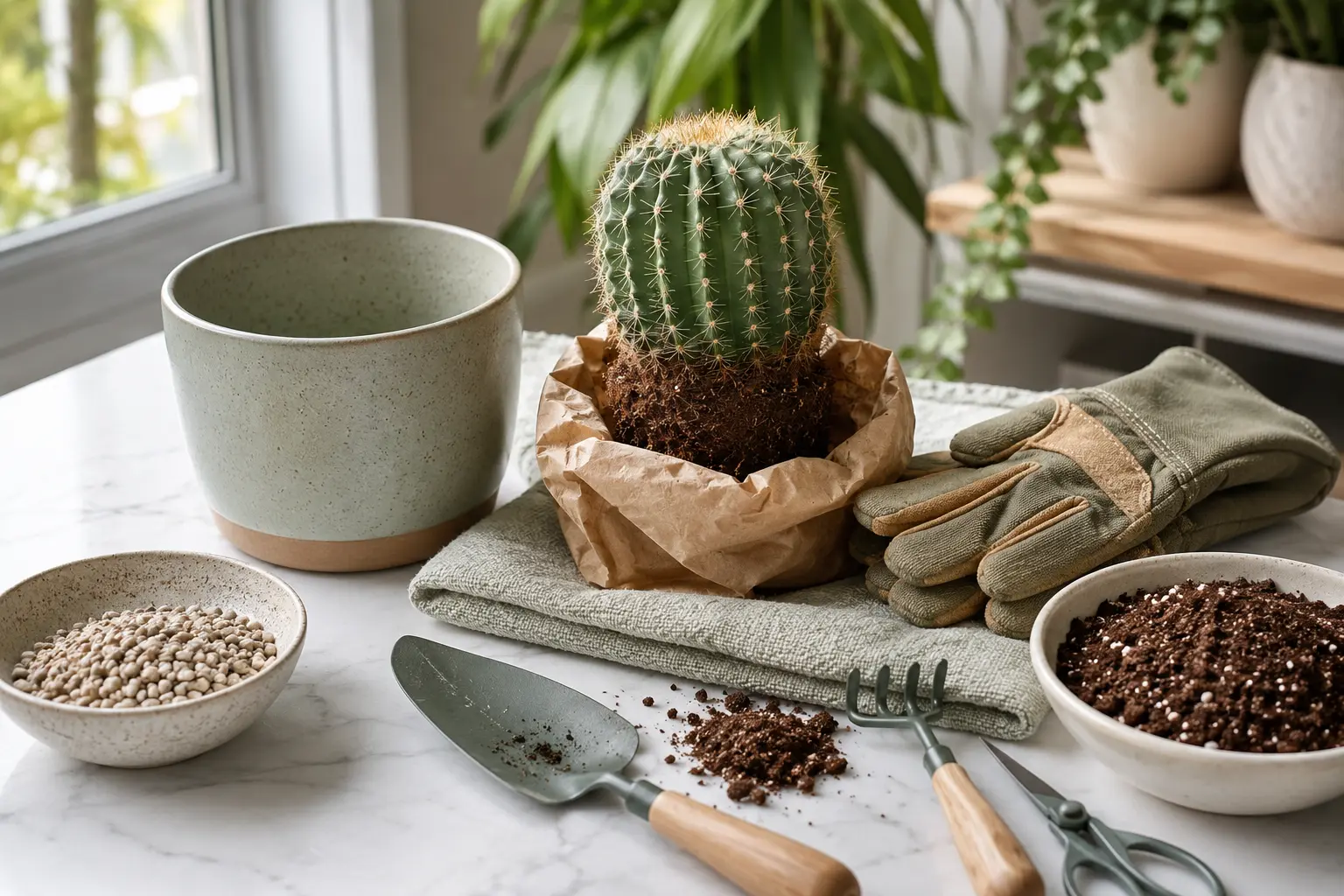
You do not need to repot a cactus very often. Usually, repotting every two to three years is enough, or when the plant becomes too big for its pot. Repotting gives the cactus fresh soil and more space for the roots.
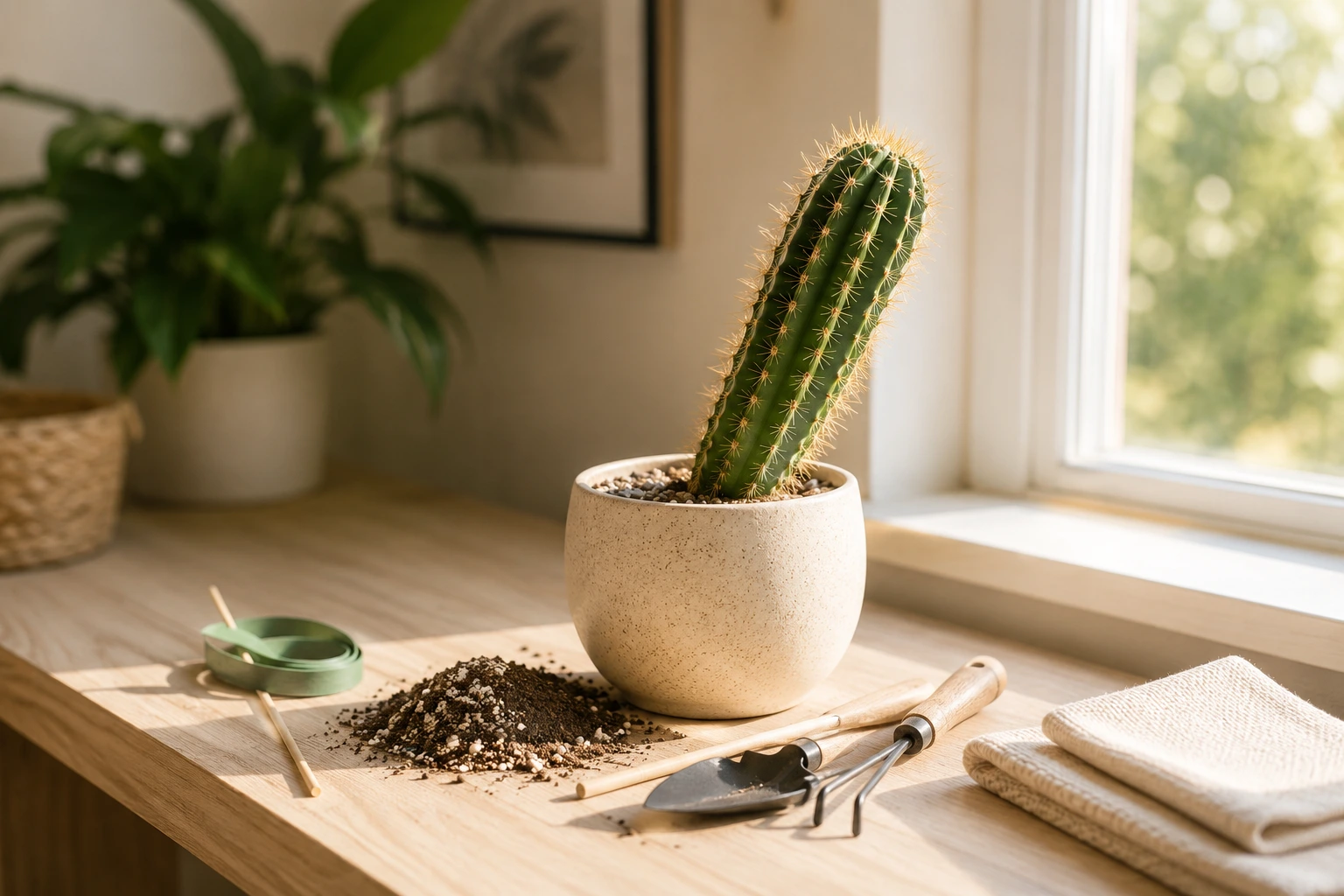
When repotting, wear gloves or use folded paper to protect your hands from spines. Choose a slightly larger pot with drainage holes and use fresh cactus soil.
Common Indoor Cactus Problems
If your cactus is turning yellow, it may be getting too much water or too much direct sun. If it becomes soft or mushy, overwatering may be the problem. If it grows tall and thin, it probably needs more light.
Always check the soil, light, and pot before making big changes. Most cactus problems can be fixed if you notice them early and adjust the care routine.
Simple Indoor Cactus Care Checklist
- Place your cactus near bright natural light.
- Water only when the soil is completely dry.
- Use fast-draining cactus soil.
- Choose a pot with drainage holes.
- Avoid leaving the cactus sitting in water.
- Protect the plant from cold drafts.
- Repot only when needed.
Final Thoughts
Caring for a cactus indoors is simple when you understand its basic needs. Give your cactus bright light, water it only when the soil is dry, use well-draining soil, and choose a pot with drainage holes.
With these easy beginner tips, your cactus can stay healthy, strong, and beautiful inside your home. Whether you are a new plant owner or a cactus lover, indoor cactus care can be simple, relaxing, and enjoyable.